Author: info@hartslane.org

The Bunting of Hope at Feed The Hill Social Supermarket, part of DeptfordX Fringe2021


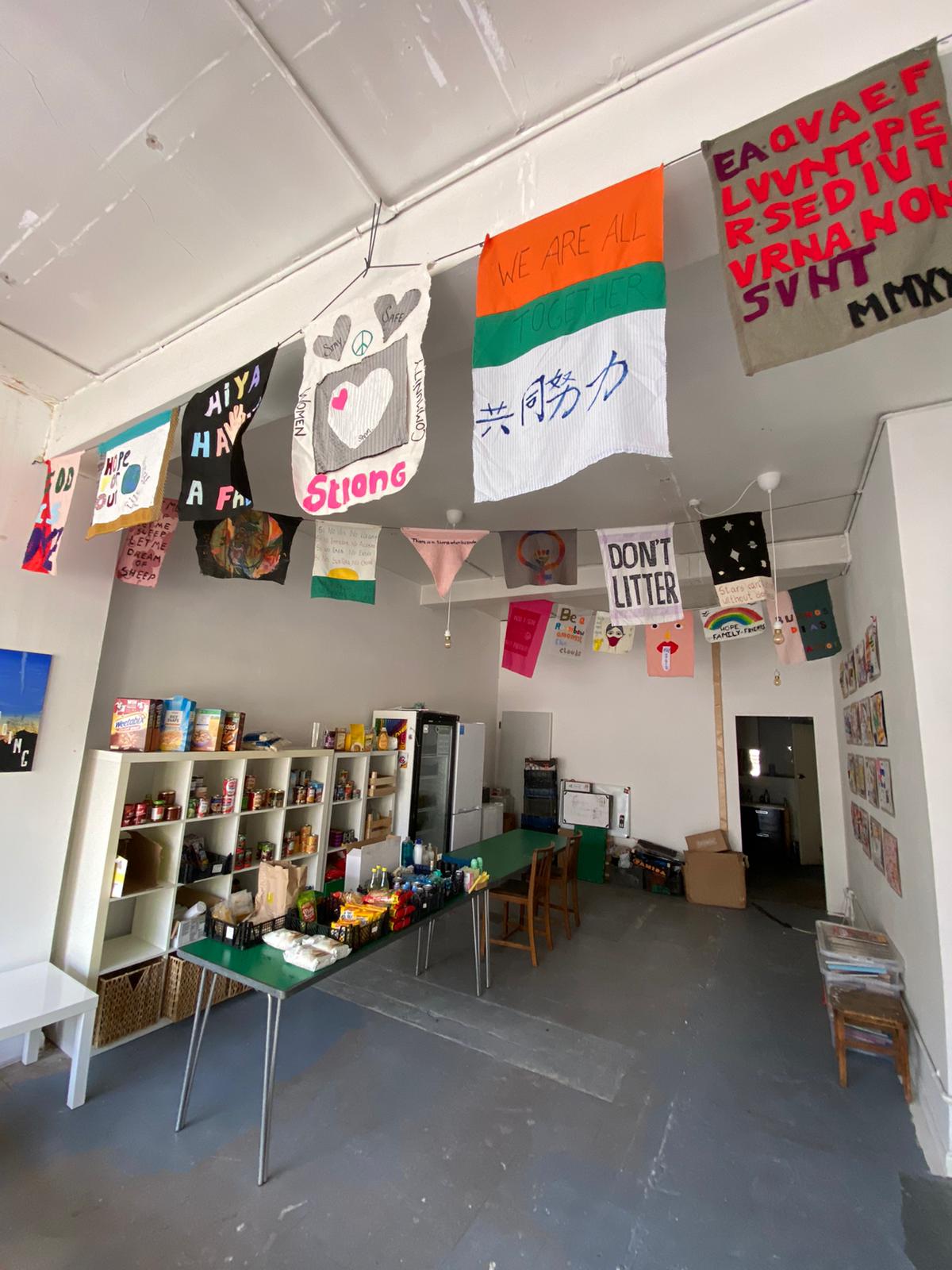
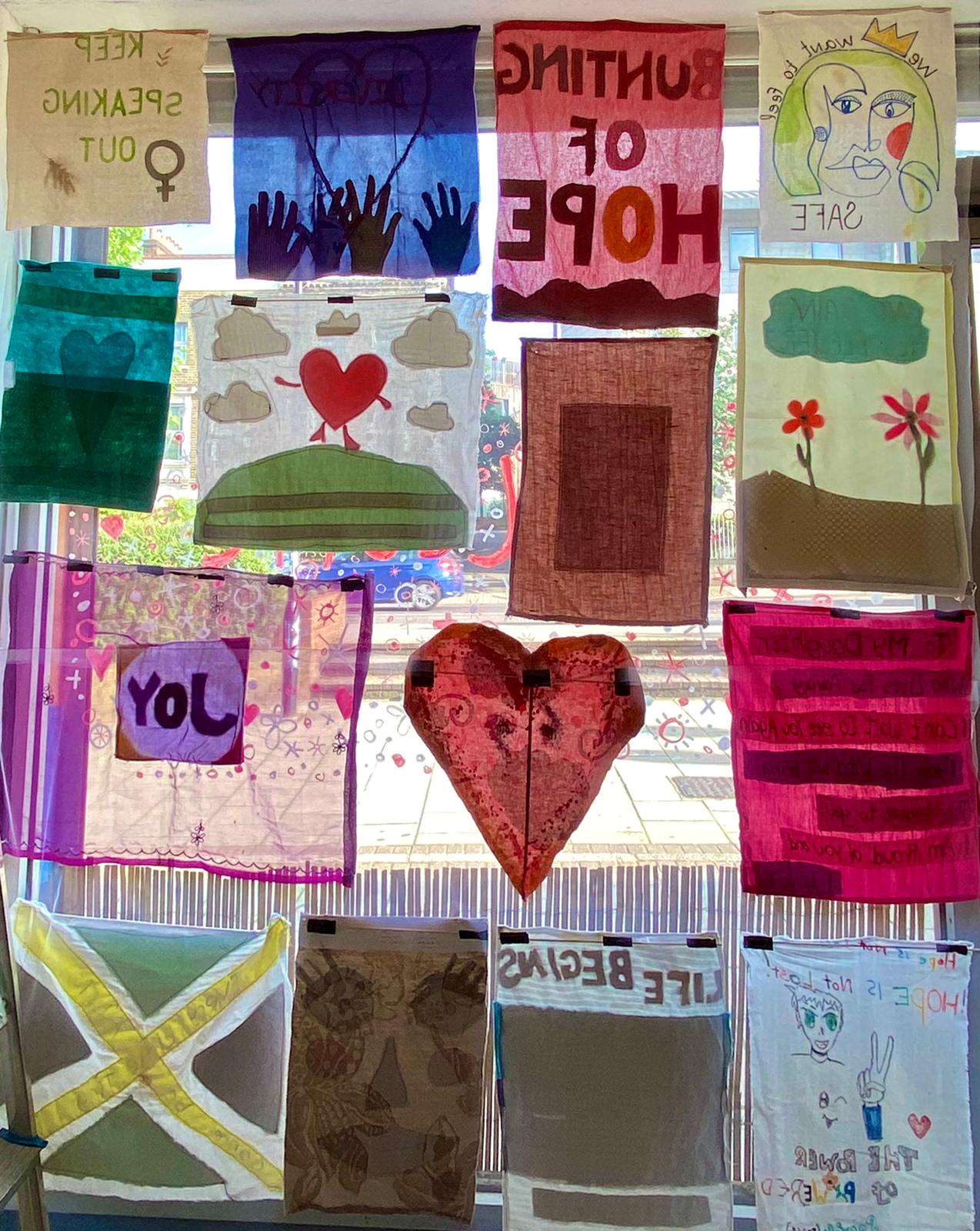
Bunting of Hope @ Feed The Hill Social Supermarket

367 New Cross Road
Part of DeptfordX Fringe 2021
9-18 July 2021

We are very excited to present the Bunting of Hope at the Feed the Hill Social Supermarket as part of this year’s DeptfordX Fringe Festival!

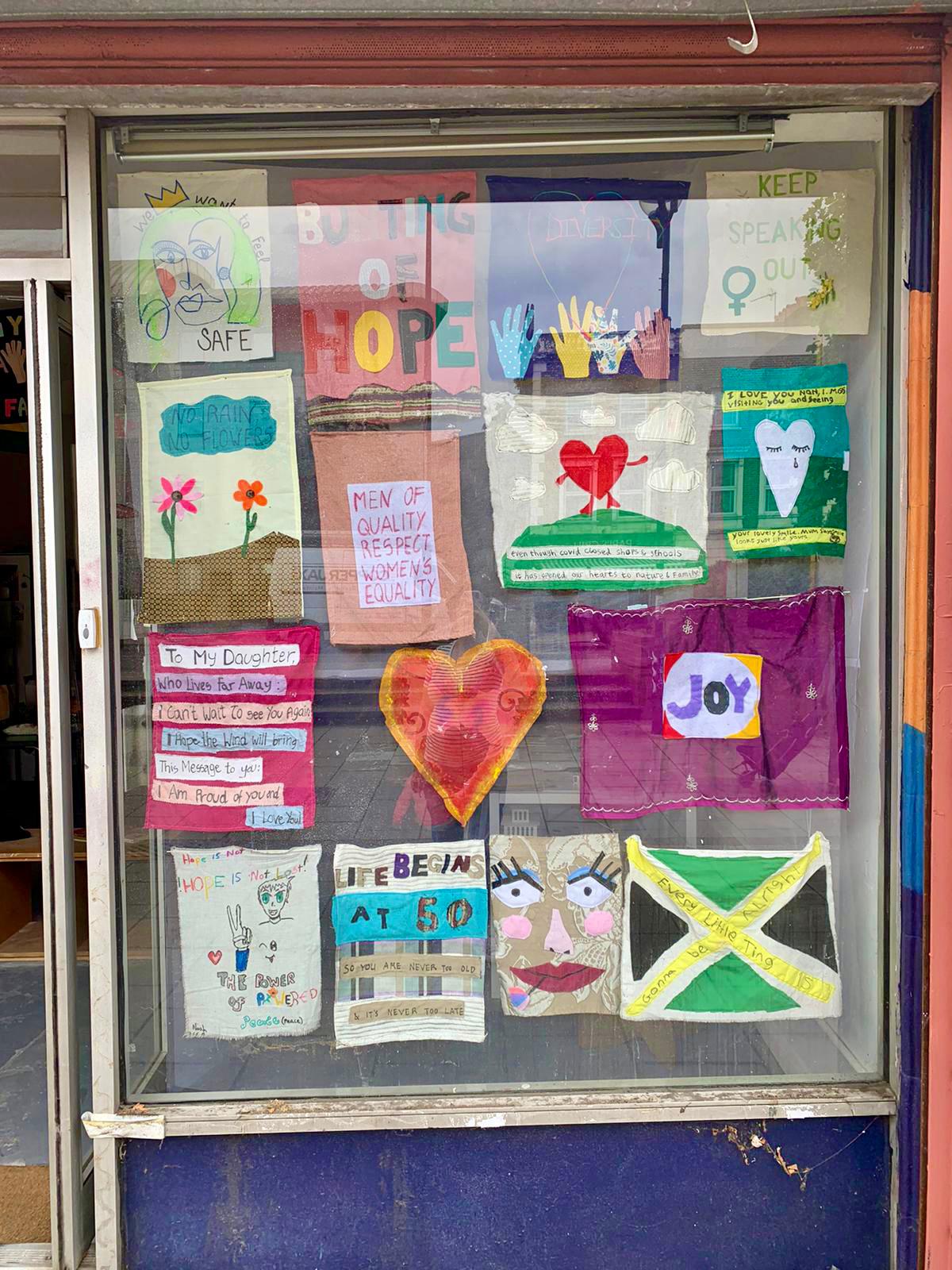
The Bunting of Hope is a community textile art project produced by hARTslane at a time when social contacts were very limited and it’s inspired by the Tibetean prayer flags typically carrying messages of hope, peace and compassion.

The flags were created by the residents of Hatcham (New Cross Gate) during the Covid19 lockdown in 2021 and presented at Eckington Gardens, spreading joy and hope.

A previous version of the Bunting of Hope was realised in 2020 with local residents and users of Hilly Fields Park in Brockley (South East London).

Partners:
Friends of Eckington Gardens
Feed the Hill Social Supermarket
 

Find out more

back

Exhibitions

Continue reading

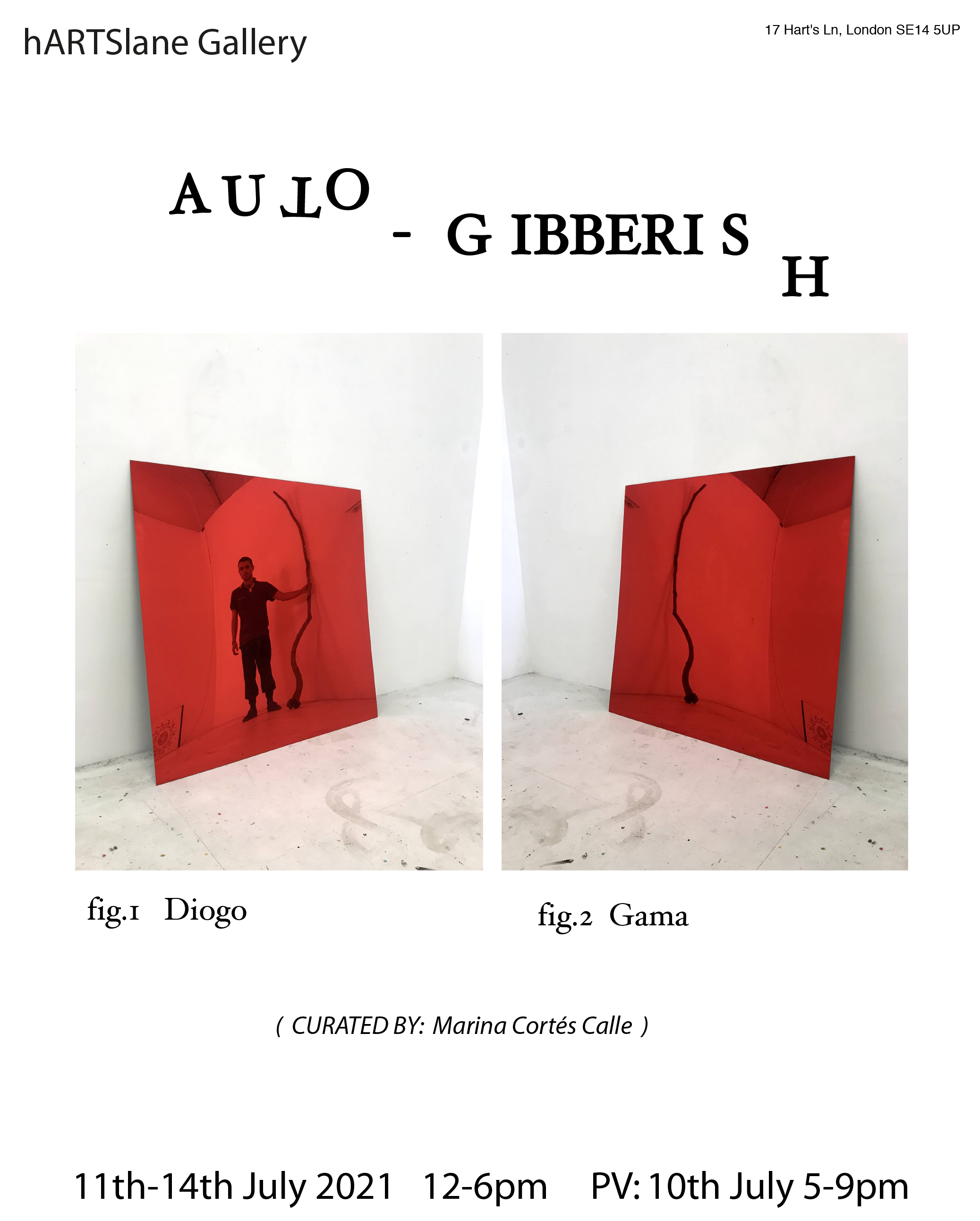
Exhibition opening on Saturday 10th of July, 5pm: “Auto-Gibberish” Diogo Gama & Marina Cortés Calle

Auto-Gibberish


A collaboration between
Diogo Gama & Marina Cortés Calle
10-14 July 2021, 12-6pm
PV 10 July, 5-9pm


Look, I can’t see He saidHow do you know? I said  And then I asked, By which morphological or expressive calibration are you so assertive Who are you? He asked.  don’t know. I said. When I look into your eyes I see a reflection of myself  and then He asked: Who cares? Any suggestions?  I asked —  Never let the wheel stop but Mind the speed He saidYou’ll get dizzy,  I whispered.  One more thing,  if you spin too much you’re gonna  crash. And then I said, Why not? I do not hold back,  Here it is,  Abracadabra, Blá BláTa –Ta!” 


AutoGibberish or “unintelligible selfportrait” or “nonsense auto-biography” is an archive of visual and material information, often fragmented by mundaneness, of the multiple connections, paradoxes, nuances and inner contradictions that inform Diogo’s creative processIndividual experiences of desiresexuality, obsession and velocity are juxtaposed and contrasted to expose the cyclical paradigm of individuality (clocks, circles) and the connections between Fiction and Reality. 

Diogo’s work recalls the spirit and attitude origins of Dada, atmosphere of scenic artprofound coherency as far as its conceptual origins and principles are concerned  but above all, it values the manual arts and craftsmanshipIt  inquires doing and thinking without hierarchies and an exploration of magic is embedded in the working process, tied to the unsettling meaning of what constitutes reality. 

 “In my work there is always a logic of apparent contradiction because I’m not selective when it comes with absorbing information, everything comes in and everything seems magical because and regardless all the pain and pleasure it might cause mewe have no idea of the impairment of reality…the making in itself is a sort of weird magic trick that is entangled in the quotation of the quotidian and the working process, in my case it’s always very frenetic, energetic and out of a sort of restless invention, that’s where the magician comes about— in the making, and in the same way the subjects are driven by intuition and by aspects of change and chance, and because nothing makes sense, I mix everything up and focus my energy in the making. 

Casualty, coincidences, chances and change are innate to AutoGibberish and to its relation to Identity as magical. Magic transcends notion of language and fixed narratives, which are arbitrary.  Being Language arbitrary is limiting and often imposed and conditioning. Language as an institutionalized entity, often assigned according to colonial ontologies and geographical paradigms, restricts communication to words; missing to include sensorial communication as an essential aspect of human nature. The disavowal of language is problematic to the narrative, to the words.  

The embracement of the sensorial, the chaotic unspoken communication and magic in AutoGibberish is a powerful statement against the arbitrary, bureaucratic and predetermined models of communication and representation. 

The presence of mirrors in the works expose the dichotomy of our subjectivities, of ourselves entangled to our images. When you’re discovering your reflection, mirror phase, from the moment you don’t know what a reflecting glass does. Mirror’s reflections reduce us to our representation, to a simple image. Mirrors evidence the relation between representation and reality, signified signifier, subjectivity and objectivity. Hence, the work can only come from a self-representation approach, in Diogo´s workeither if it is the body, the image, the thought—The magician operates in a similar manner to the artist, where he needs to transcend his own person to become his own creator.  

Nothing is static, everything is ephemeral, meaning is contingent in an everlasting experimentation enriched by our curiosity and ambition, a product of our individual nature. 

 
Indeed, it is the atelier (artist studio) as both a material and imaginary site that these two rooms are resembling, theatrically, where artworks become decontextualized from their original meaning by means of selection, archiving, experimentation, and creative impulses. The tension between the process and the finalized product transcends formal arbitrary lines and offers room for transformation, disturbance, and dissonance. Dichotomic relations of violence and peace, stability and fragmentation, linearity and circularity are inherently embedded in the creation of the pieces. 

There are no finished works. The constant creative experimentation and the ephemerality of the artworks are tied to the malleable, nonlinear, and ever-evolving nature of the artist’s experience. 

 – Marina Cortés Calle 

back

Exhibitions

Continue reading

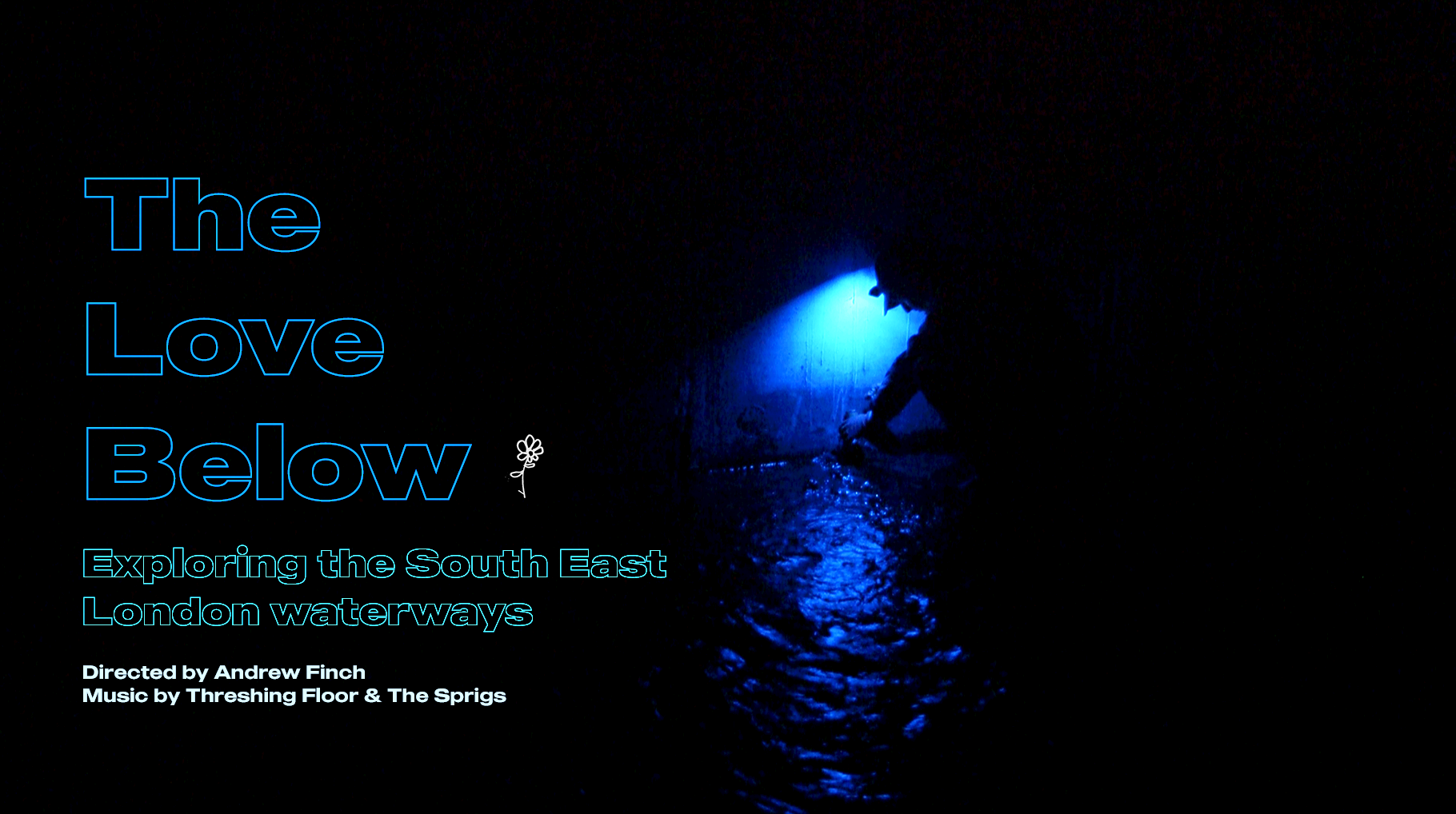
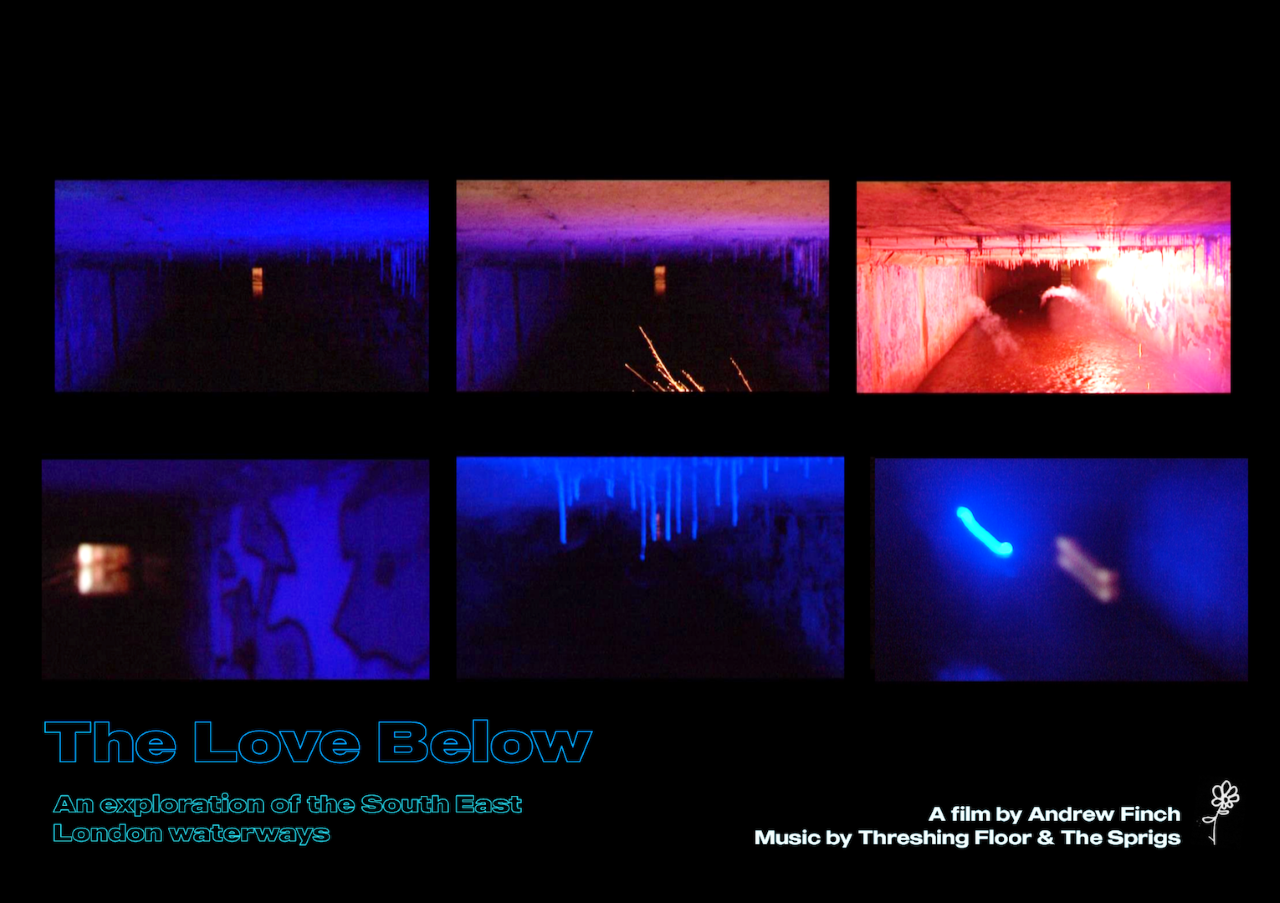
Moving Harts presents: The Love Below, a short film by Andrew Finch – Friday 9 July, 10pm


Moving Harts presents:

The Love Below

By Andrew Finch

Friday 9th of July

The evening will start at 22:00 with a screening of Landscapes of the Heart (2019), premiere of The Love Below (2021), followed by audience discussion and Q & A led by Rachel Lonsdale.

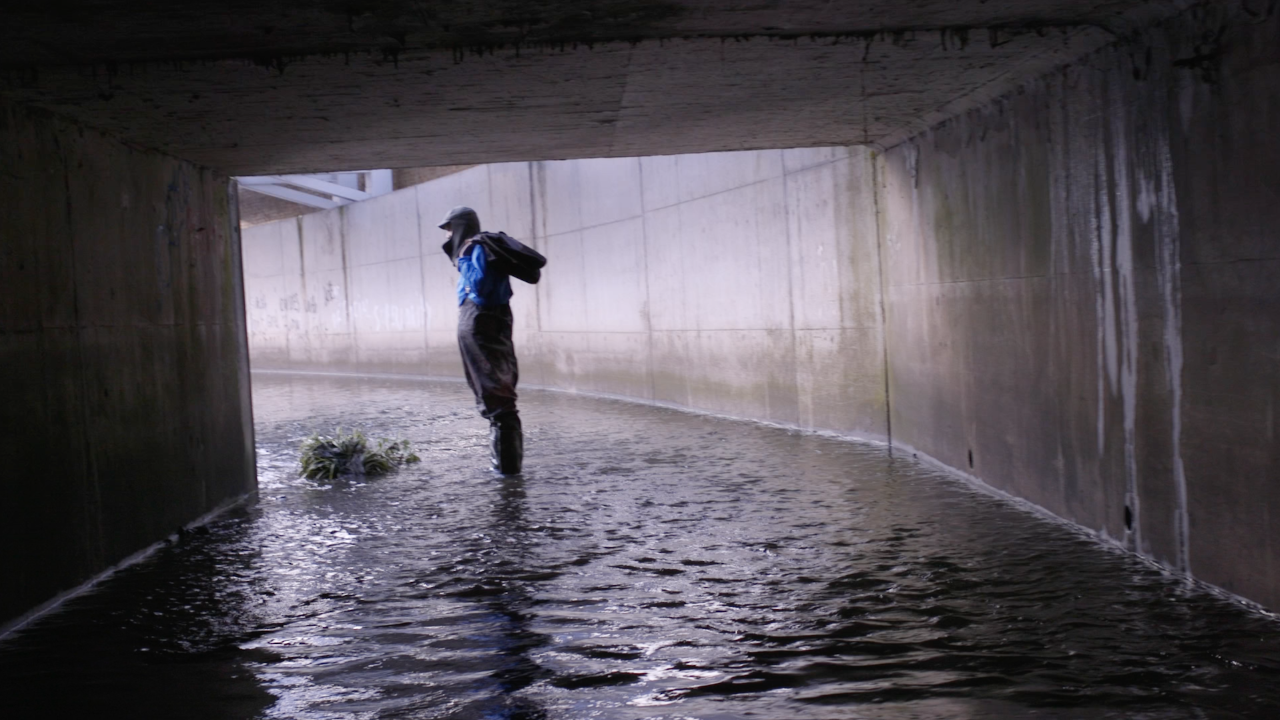
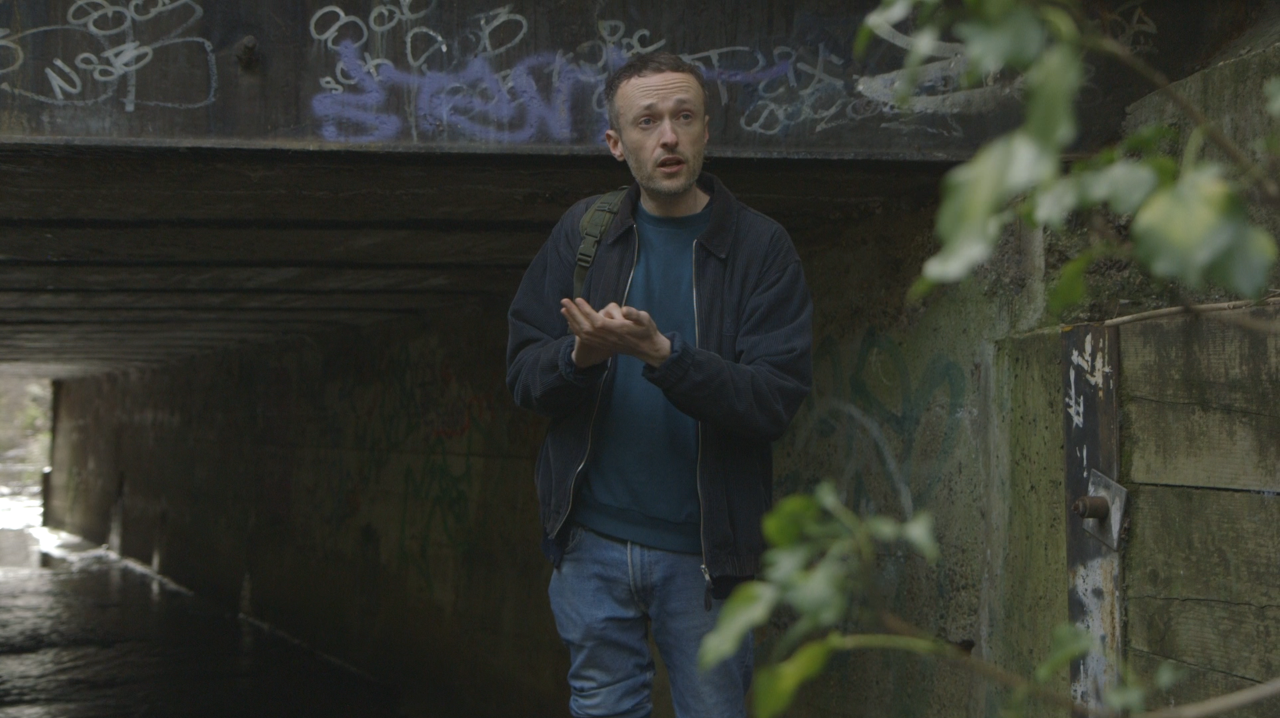
The Love Below is a short film exploring the South East London waterways and their dwellers. Below the street level of the Unreal City, the tributaries of the Quaggy and Ravensbourne River run 17km through London’s South East boroughs, largely unseen.

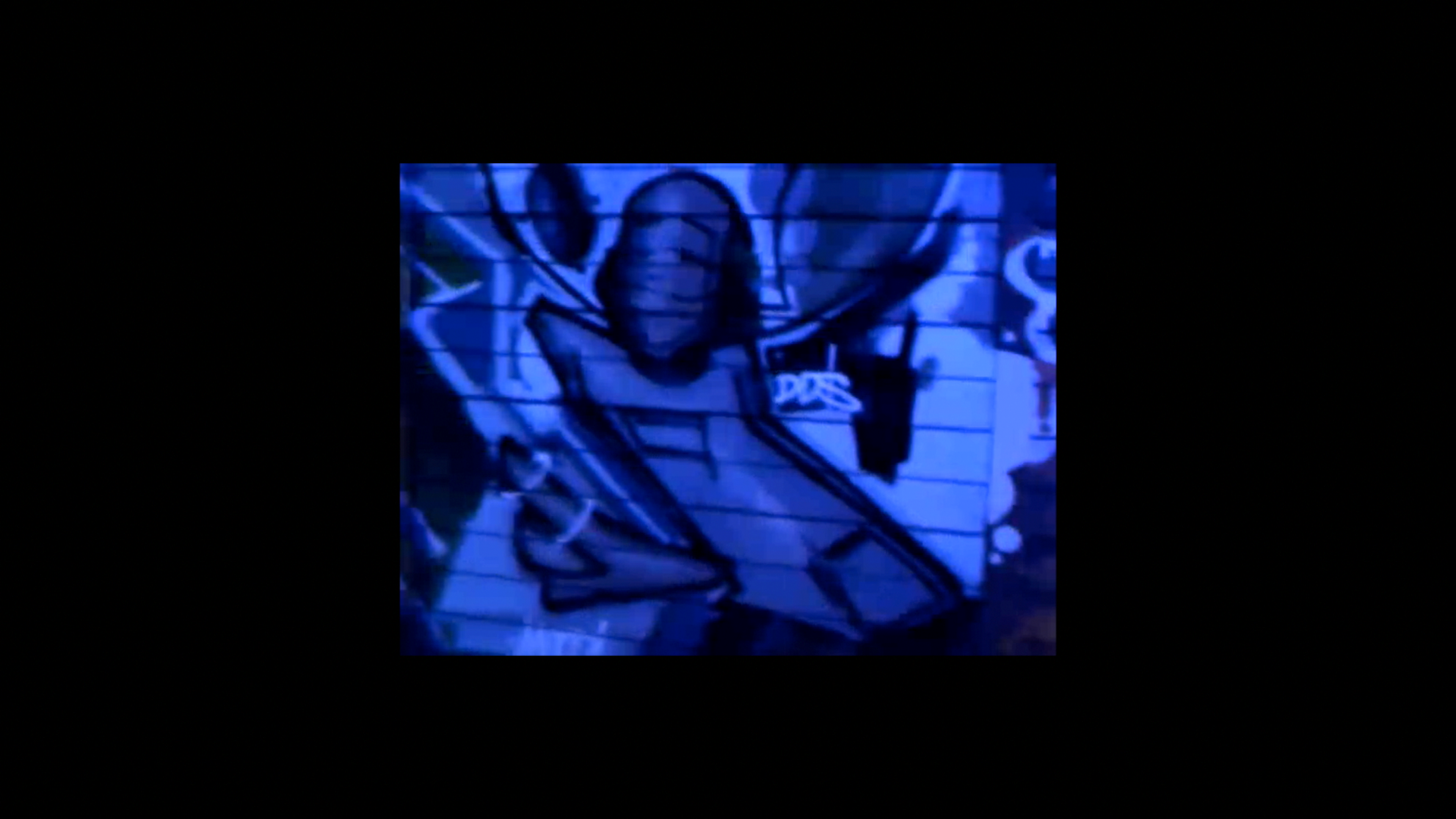
Over half a century, mythologies have germinated from the etchings of the fabled Lewisham Nature Man’s thistle and crown carved into the wild corners of its subterranean holdings. Graffiti writers have made its tunnels their temporary dwellings and coated their walls in psychedelic paintings. Generations of local youth have scrawled their loves, woes and words beneath their bridges. Urban fishers have cast their flies into abandoned docks looking for their prize beneath the surface. All the whilst London’s history has run its turbulent course in the world above… 

The Love Below explores a segment of individuals who have, at a moment in time, ventured into the Quaggy and Ravensbourne rivers in search of something below its embankment walls and depths. With a nod to the ecological future of the rivers as well as their spatial opportunity to roam invisibly from the crowds, the film centre’s itself as a meandering journey; full of dead ends and early 2000s cultural homage, beauty and solitude, graffiti and escapism, storytelling and mutterings and the unbridled joy of wandering off the beaten track from the city itself. 

Presenting archive footage, documentary film, found sound and text, The Love Below is a short film directed by Andrew Finch and scored by Threshing Floor and The Sprigs. 

Andrew Finch (b. Brighton, 1994) is an artist based in South East London whose practice explores subcultures and urban space before, within, and after the advent of digital technology. He works predominantly through filmmaking, collage, writing and audio.

The archive forms an essential medium for Andrew’s work, using found and repurposed film to explore how groups of individuals have created ripples through British counterculture history. Focusing on the locations of activity, he follows these paths to document where residual memory resides, mapping the mythologies and narratives of the spaces and individuals in their often-forgotten pasts, placing the artist as an unseen subject at the heart of his work. By challenging their inherent nostalgia as well as celebrating them, he investigates the notion of how esoteric and underground cultures have utilised technology as means of representation by presenting them in a contemporary context through essay, documentary and film collage.

Andrew’s projects are often located in spaces of a transitory nature; urban wastelands, disused rivers, counterculture ruins and liminal places within the city, interrogating notions of public and private space, inviting refuge and the urge to reappropriate their original use. Andrew’s award-winning first film, Landscapes of the Heart (2019), explored Brighton’s subculture histories of rave, skateboard, graffiti and squatting over the past two decades through music, text, archive and contemporary film in a love letter to the city he once called home. 

Andrew’s work has been screened and exhibited by South London Gallery, Doomed Gallery, Hello Koral (CPH), Cinecity, Brighton Rocks Film Festival, Photobook Show, Crossing the Screen, Sunday Shorts, The Catalyst Club, Resonance FM and No Bounds Radio. Andrew is Co-Director of London Rocks International Film Festival.

Instagram @andrewjfinch

Exhibitions, Screenings

Continue reading

Exhibition in hARTslane opening on Friday

No Show Show is a weekend exhibit from class of 2021 Product and furniture design graduates from Kingston University showcasing a body of work from their final major projects; displaying a section of furniture, product and communications projects.
 
Louis Eager, Ellie Perry, Madison Bates, Paige McKenzie, Lucas Wheeler, Callum Wardle, Ameera Naz Azami, Dane Thomas, Abby Ghent, Matty Robinson and Cai Smith. 
 
Public opening times is Saturday and Sunday 11-7, private view is Friday 5-9pm.

Exhibitions

Continue reading

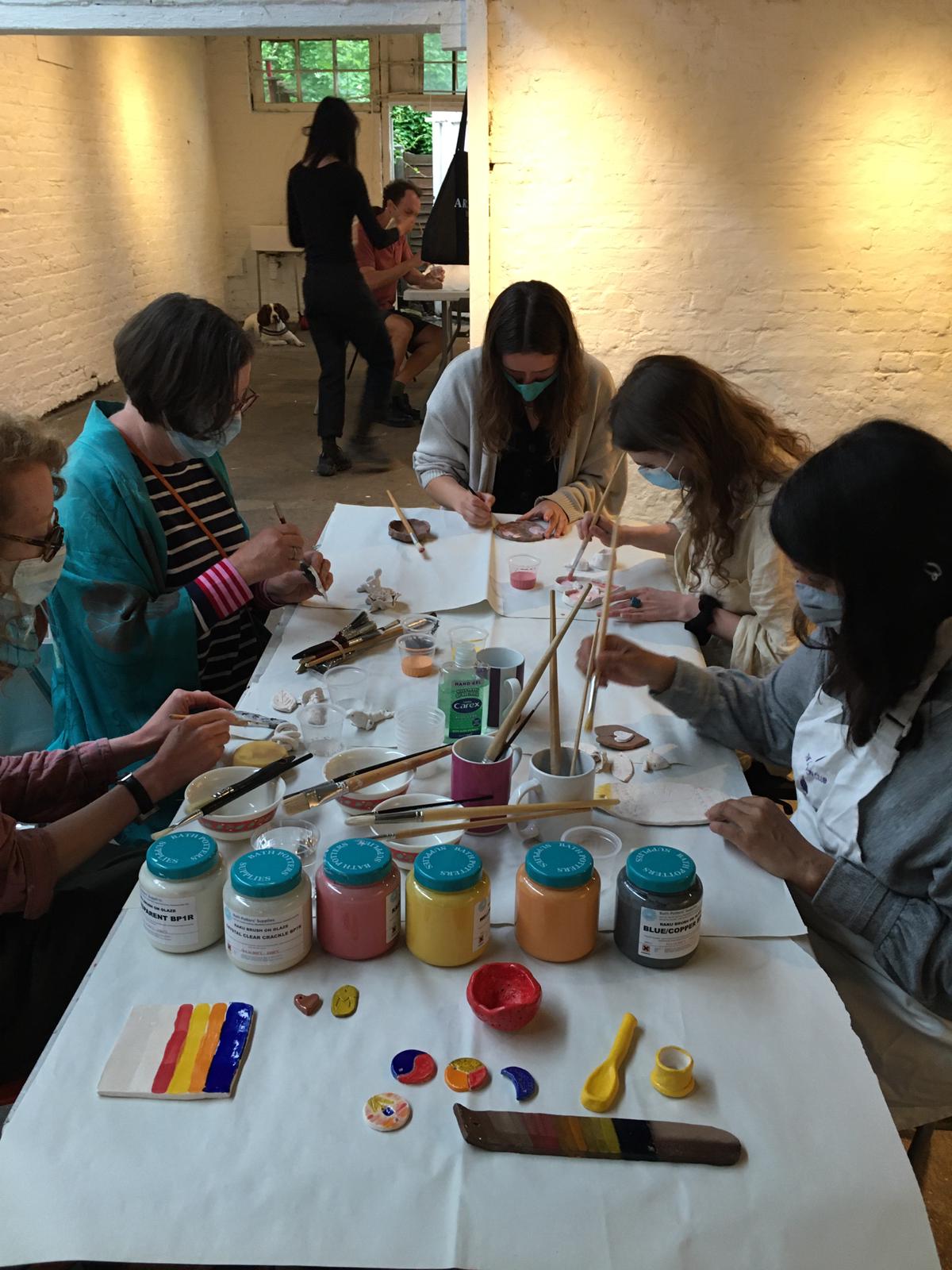
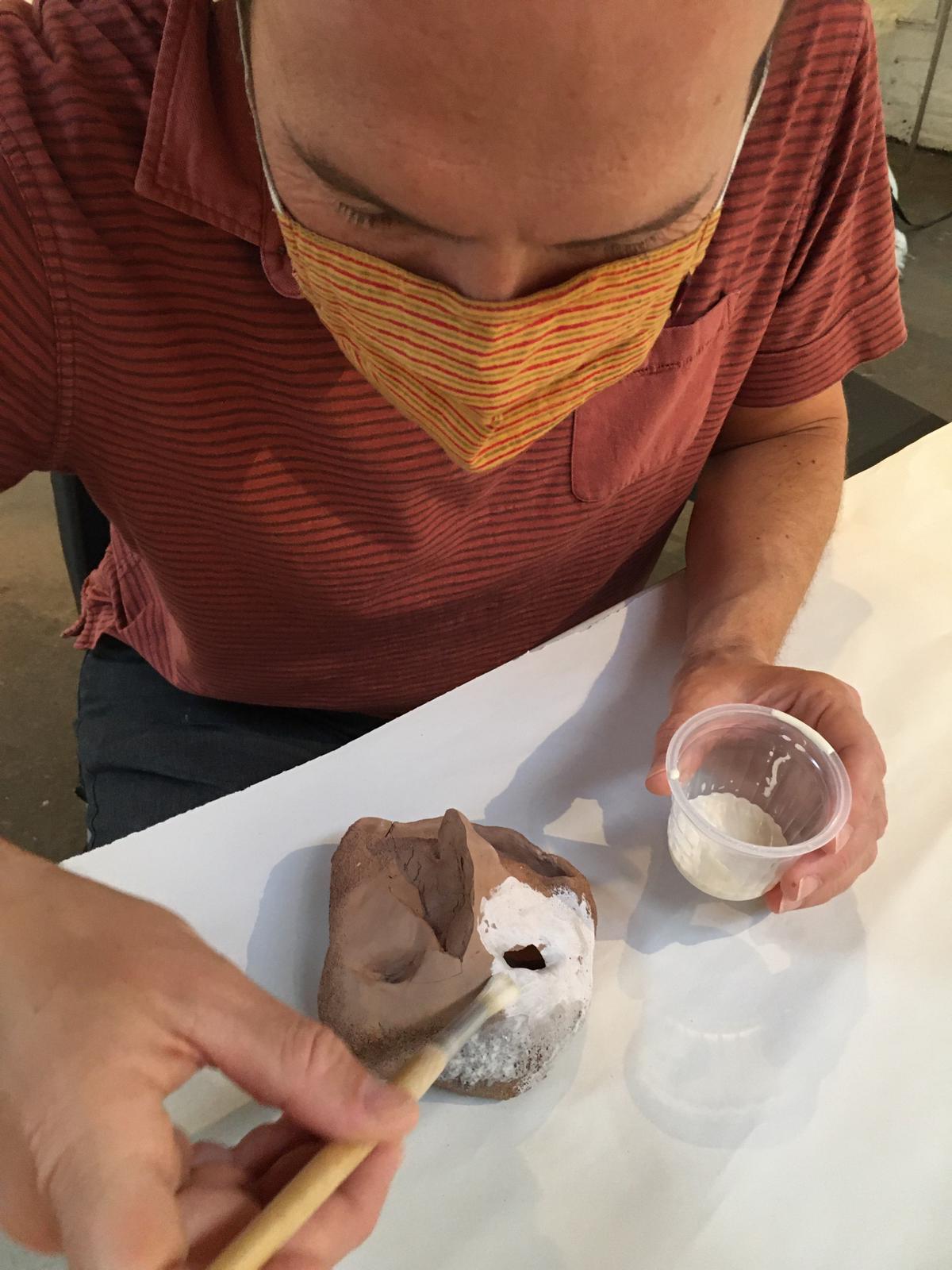
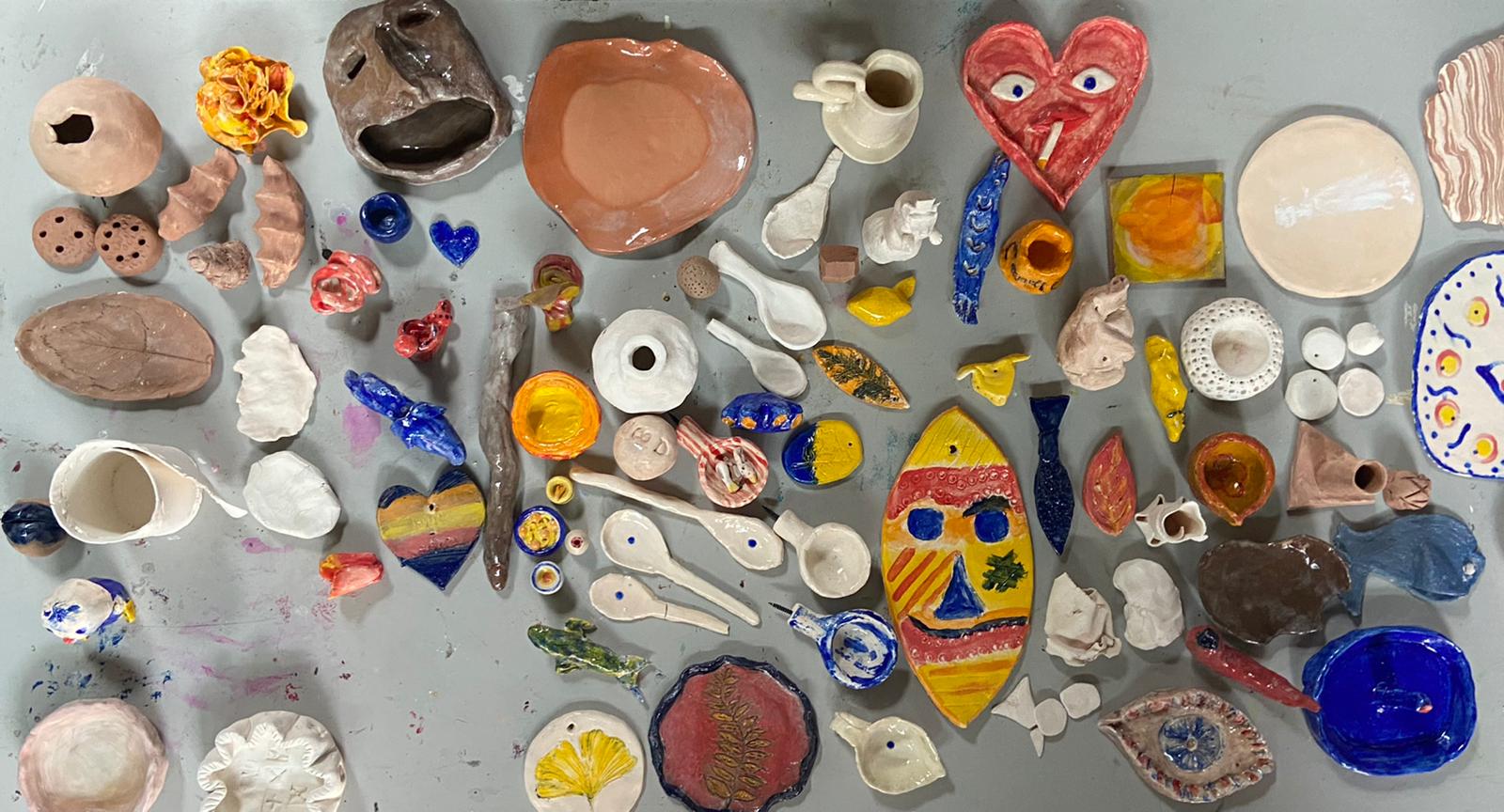
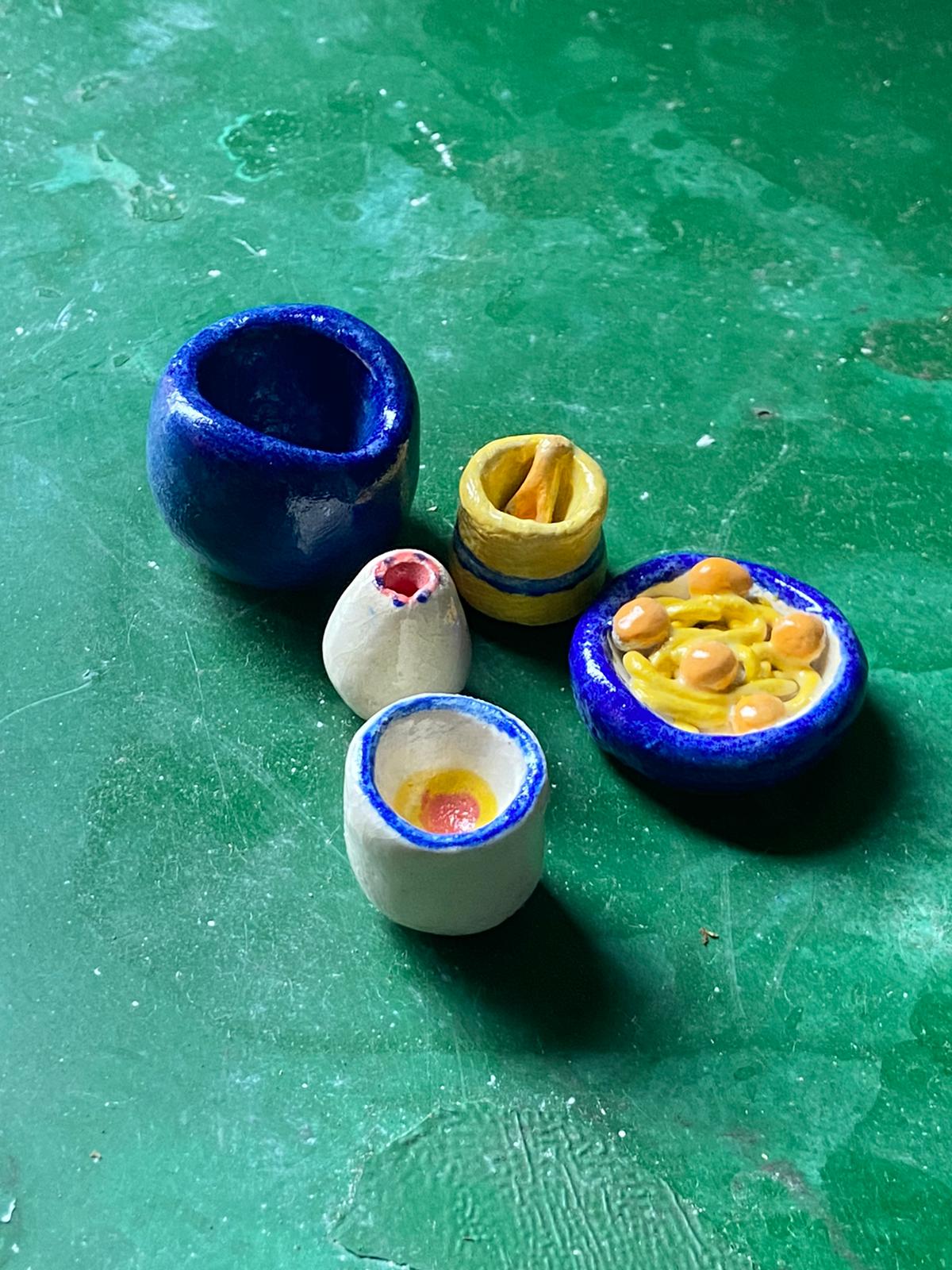
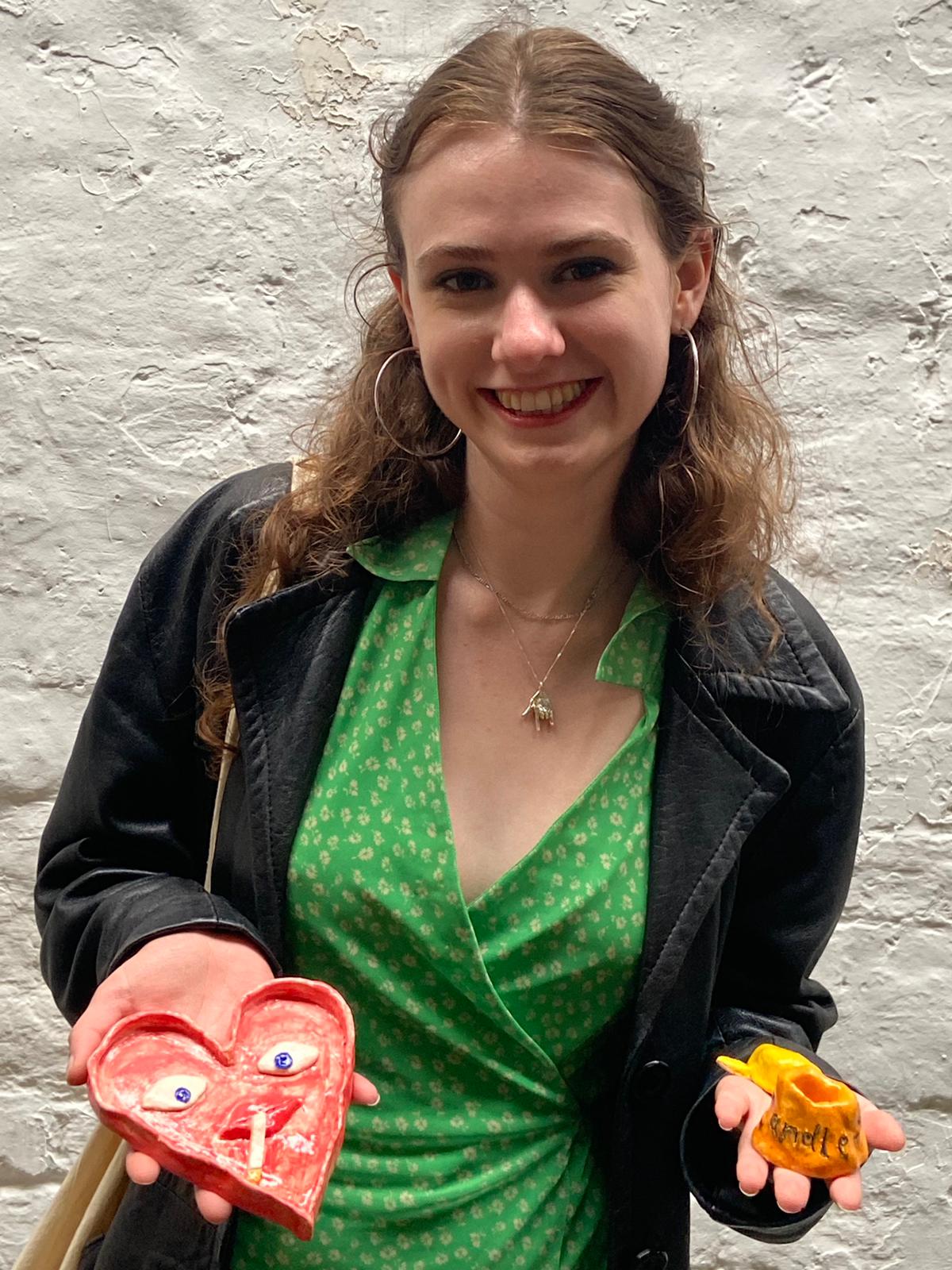
Mini Clay Club – the joy of making together! The results


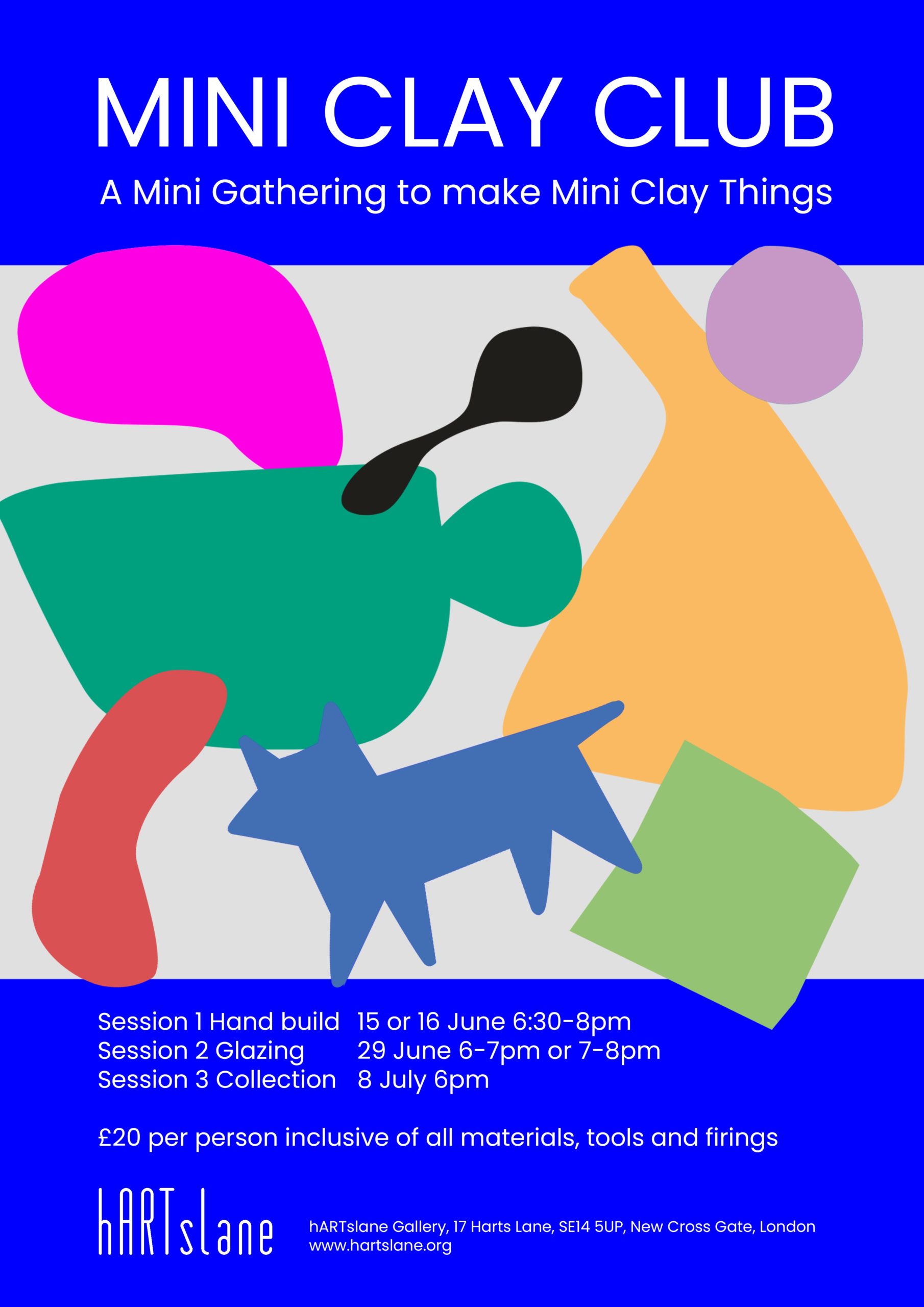
Mini Clay Club

20 places available!

Clay is fascinating and it will lend itself to your skill level, whatever it may be.
Led by artists Rain Wu and Wynn Chandra
– Session 1, Hand build: Tuesday 15 OR Wednesday 16 of June, 6:30-8pm
– Session 2, Glazing: Tuesday 29 of June, 6-7pm OR 7-8pm
– Session 3, Collection: Thursday 8th of July, 6pm

£20 P/P inclusive of materials, tools and firing
To book please email info@hartslane.org
First come first serve, limited spaces available!

back

Workshop

Continue reading

Moving Harts Interviews: Suso Phizer


Moving Harts

INTERVIEW TO SUSO PHIZER

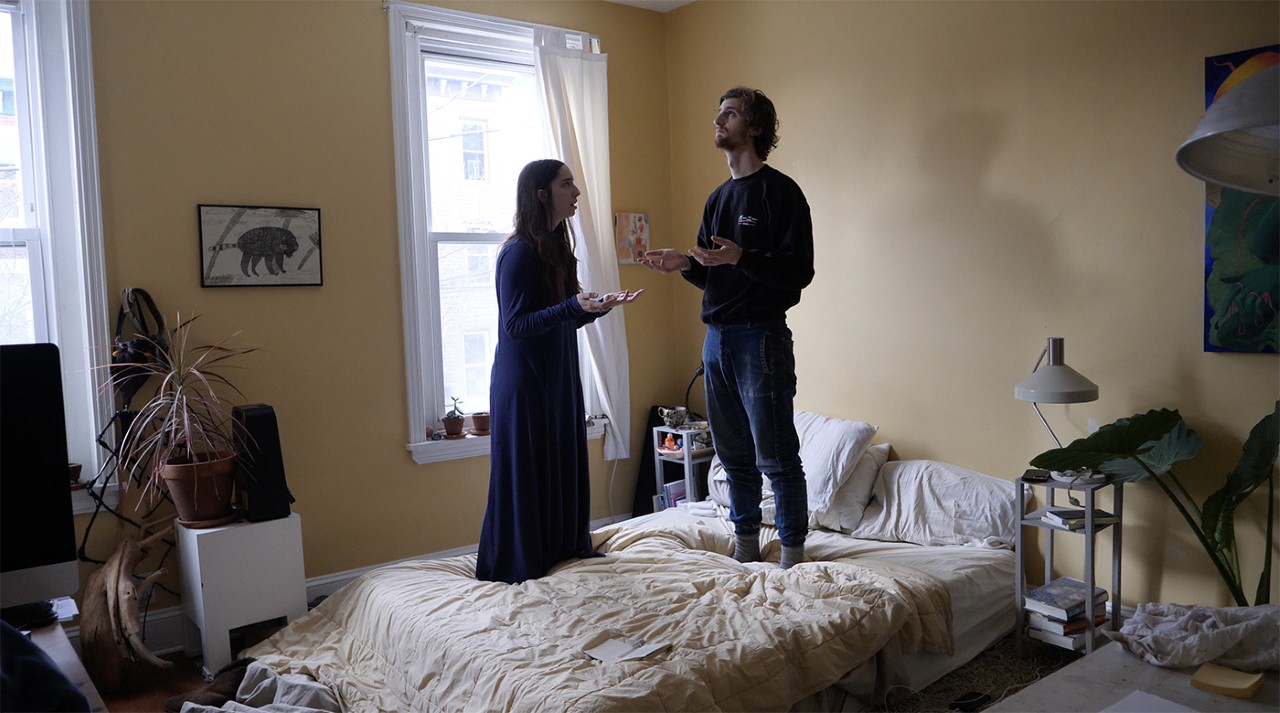
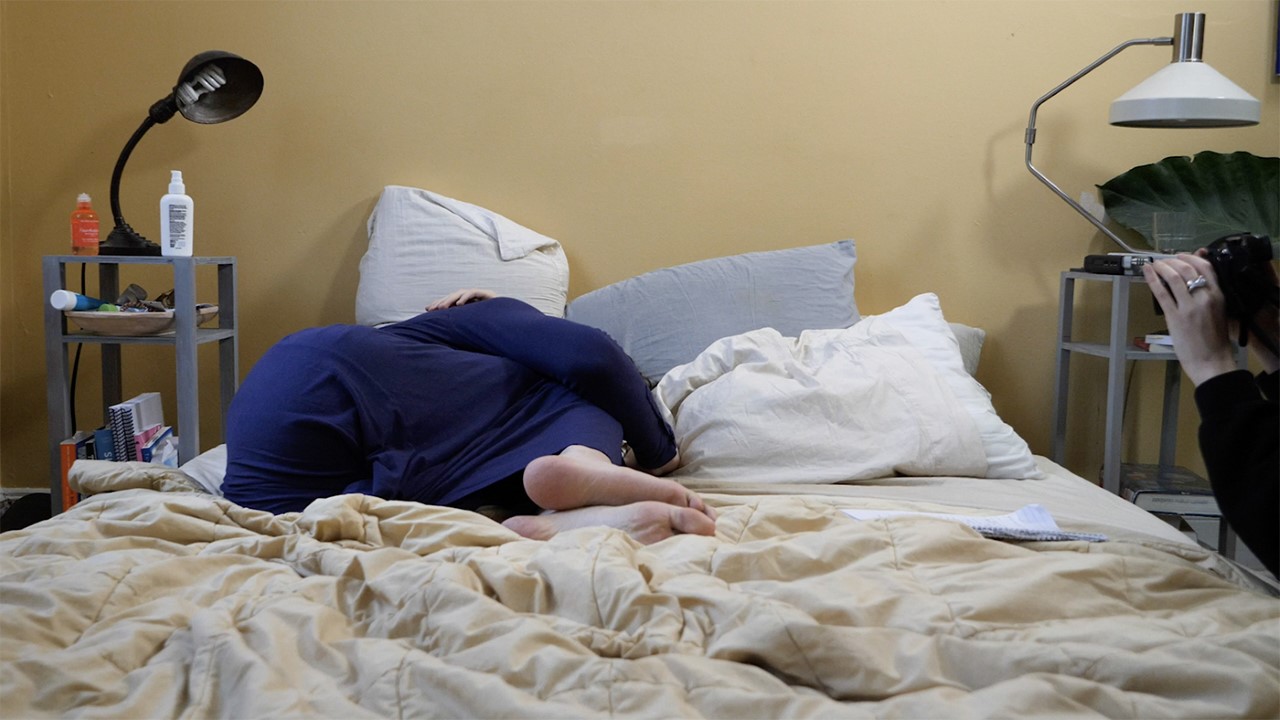
Suso Phizer is a Philadelphia based artist and social worker who specializes in group process. In her artwork she uses performance and video to explore relational dynamics, often involving herself and her collaborators. Her most recent work, Utopia, documents an unscripted fight with her partner. Following this, she uses a role-reversal exercise to re-enact the fight and to feel into each other’s performances of anger, hurt, and tenderness. This piece was created from the project Videowords by Magmart, whereby thirty international artists were each given a word to interpret, the words acting as a catalyst for the video piece. Each word represents many aspects of human life and emotion – it is therefore up to the artist to reflect on the word and relocate those thoughts into a short film. Suso was given the word Utopia.

You got given the word utopia. I wanted to ask what that word means to you? For me if I hear the word utopia, I think of something quite saturated and dreamy with colour, whereas I noticed your work was the opposite, very monotone and unfiltered. It resembled real life.

I get tense when I think about the notion of utopia. I feel a bit frozen by the idealism and the fear of some kind of utopic project having devastating consequences. What comes to my mind is historical utopian projects that at times have been brutal and genocidal. So I was just sitting with that word, thinking, how do I relate to this word, and what kept coming to mind is my romantic relationship. There’s some kind of striving after perfection in that realm, that I think in some ways is foolish and doomed and yet, it seems that my partner and I both enter that mindset. Especially in moments of rupture, there’s this kind of urgency that emerges, a part of me that demands for the way we treat one another to be exceptional. So I think that my relationship is the arena in which I could honestly say I am partaking in a utopian project. It’s maybe the area of my life where I have enough power to give me the courage, or sometimes, the arrogance, to try for utopia. So that’s how I landed on this mundane reality.

I like that a lot. A relationship with a partner feels somewhat tied with control/loss of control. Whether this carries on, how much effort I put into this, where this completely comes to a halt. And sometimes that power can be a little bit overwhelming.

And when you say that it makes me think of the intoxication of that power. It can be corrupting and it can be used in a corrupt way. It makes me think of “parallel process” which is a term from the therapy world. It comes from a systems approach, and it refers to how dynamics that are happening at higher levels of a system tend to replicate at lower levels and vice versa. For example, with a relationship, if I have some utopian ideals in the culture I’m in but feel disempowered and totally overwhelmed to enact those ideals then I might try to act out those ideals in the realm in which I do have power. And in doing that I could be described as enacting a parallel process with my partner to what’s happening in the world outside of our relationship. Some of the power dynamics that happen between us can be understood as an acting out of larger societal themes around power and gender.

I didn’t see much of a gender dynamic as I was watching the video. It felt very neutral.

Yes I agree – somehow with the length of the video and the exercise that we were doing, of role reversal, and trying to get deeper and deeper into each other’s performance of anger, there ends up being more of a twinning and mirroring. We both play both roles. I don’t think this video prioritises showcasing a differentiation very much – it’s more like role confusion.

In the video there’s cuts between a role-played fight and a real fight between you two. Is the original fight the footage towards the end? Because I couldn’t quite tell – was that the point, not being able to figure out which one is acted and which one the original?

The original plan was to try to write a script for a fictional fight together, based on our past experiences. But then we had an argument on camera organically as I was beginning to shoot. It was a precious opportunity, so I decided to change course. Yes, the video comes to a close with some clips from the real fight. There’s a part in the middle and beginning that has some of the real fight in it as well, so it is worked in and it is meant to be ambiguous to some extent.

I’m invested in the slippage between performance and the real, and I look to methods like Theatre of the Oppressed and Psychodrama for inspiration in that space, as well as other therapeutic and theatrical tools that have been developed to help people re-enact and intervene on their personal experiences. These structured re-enactments can end up feeling in some ways more real and have more emotional depth than the original incident.

I’m really interested in the research that surrounds this topic. I wanted to ask if you had any book recommendations? What are you reading at the moment?

Well now I’m reading Family Lexicon which I can see being somewhat relevant to this topic in her relationship to reality and fiction – that’s by Natalia Ginzburg. I’ve also been revisiting Internal Family Systems Therapy by Richard Schwartz and Martha Sweezy which I draw a lot of inspiration from. For work I provide therapy, which heavily informs my art practice. Internal Family Systems is a theory for differentiating the self into parts, accessing those parts and putting them in conversation with one another. In some ways it’s very compatible with Psychodrama, which often involves acting out conversations between people from your past, or parts of yourself. If you are interested in learning more about Psychodrama, I recommend Scott Giacomucci’s book called Social Work, Sociometry, and Psychodrama (it is available for free here). For more about Theatre of the Oppressed, I recommend Theatre of the Oppressed by Augusto Boal.

I wanted you to ask what pushes you to make this sort of work like what inspires you. I’m imagining the therapy has a big role to play.

Honestly, I think that the therapy came out of doing this sort of work more so than the other way around. I had a career change – I was in the art world for ten years or so and then I discovered Tavistock Group Relations Conferences, which are a niche form of experiential pedagogy. They are intensive, very chaotic and exciting 3-5 day events involving something called here-and-now group process, in which a group’s task is to get to know itself over the course of those days. So basically, you’re sitting in a room full of people, and people kind of don’t know what they’re there for – there’s a lot of silence and tension. The instructions in the conference are hard to take in because in a way the task feels impossibly simple: the task being to get to know the group in the here-and-now.

It feels like a social meditation, but eventually more chaotic and aggressive and messy than one might associate with meditation. I found out about these conferences from a film – my partner (the same one in Utopia, Fred) showed me this film called The Task by Leigh Ledare. The Task shows a Group Relations Conference unfolding, and as I watched I fell in love with Group Relations, and I went on to participate in conferences, and reoriented my art practice around group process.

I’ve come to be obsessed with making art about the “here and now” of groups as my way into looking at the dynamics that happen on every level of society. One of my first projects in this style was a collaboration between me and my friend Anne Lukins. We studied our friendship in the video, and framed our dynamic as a microcosm of dynamics in white female friendships. It was very opening for me to legitimise investigating what’s present, as opposed to striving after something that isn’t here yet.

I do think it’s inspiring to deal with the present and relationships that are happening right now but sometimes with my own work it sets me back, especially when I started doing performance. I used to paint, and with it had that separation, there was art and then my life, however I think especially when you sway into this topic, the practice and the everyday both sort of slur into one. What do you do? Do you want to keep the barrier or are you happy to let it flow between?

I think those boundaries are really important. And there’s been times when I was in grad school, discovering here and now group process I started to feel like there was no differentiation, and at every moment of my life there was part of me that was like “do I turn on the recorder? How could this moment enter into the video I’m working on at the minute?” And I think I’m not in that head space anymore – I’m appreciating that there’s a lot more boundaries at this point in my life. Of course, that blurriness, the slurring as you put it, I like that, never goes away – because through memory, every moment is available to be mined for content. I think it is wonderful in some ways to not have boundaries and to always feel like an artist, but it’s very taxing. For one thing, that dual mindset of artmaking, where you’re both inside the experience and trying to look at it from a viewer’s perspective, is exhausting.

Do you have a studio space?

I don’t – I don’t currently gravitate towards that way of working. When I’m in the studio I end up feeling lots of pressure, and I’m sure at some point in my life this will probably change but at this moment there’s excitement in just being in my living spaces or other non-art spaces as I make art. Even just the way I’m thinking about drawing or the way I think about the set of videos has really shifted. Instead of feeling gravitated towards finding blank spaces I feel very drawn towards working on top of or inside of whatever is there. I liked shooting in my bedroom for example. It’s just jiving with my current state of mind.

Link to Moving Harts

Screenings

Continue reading

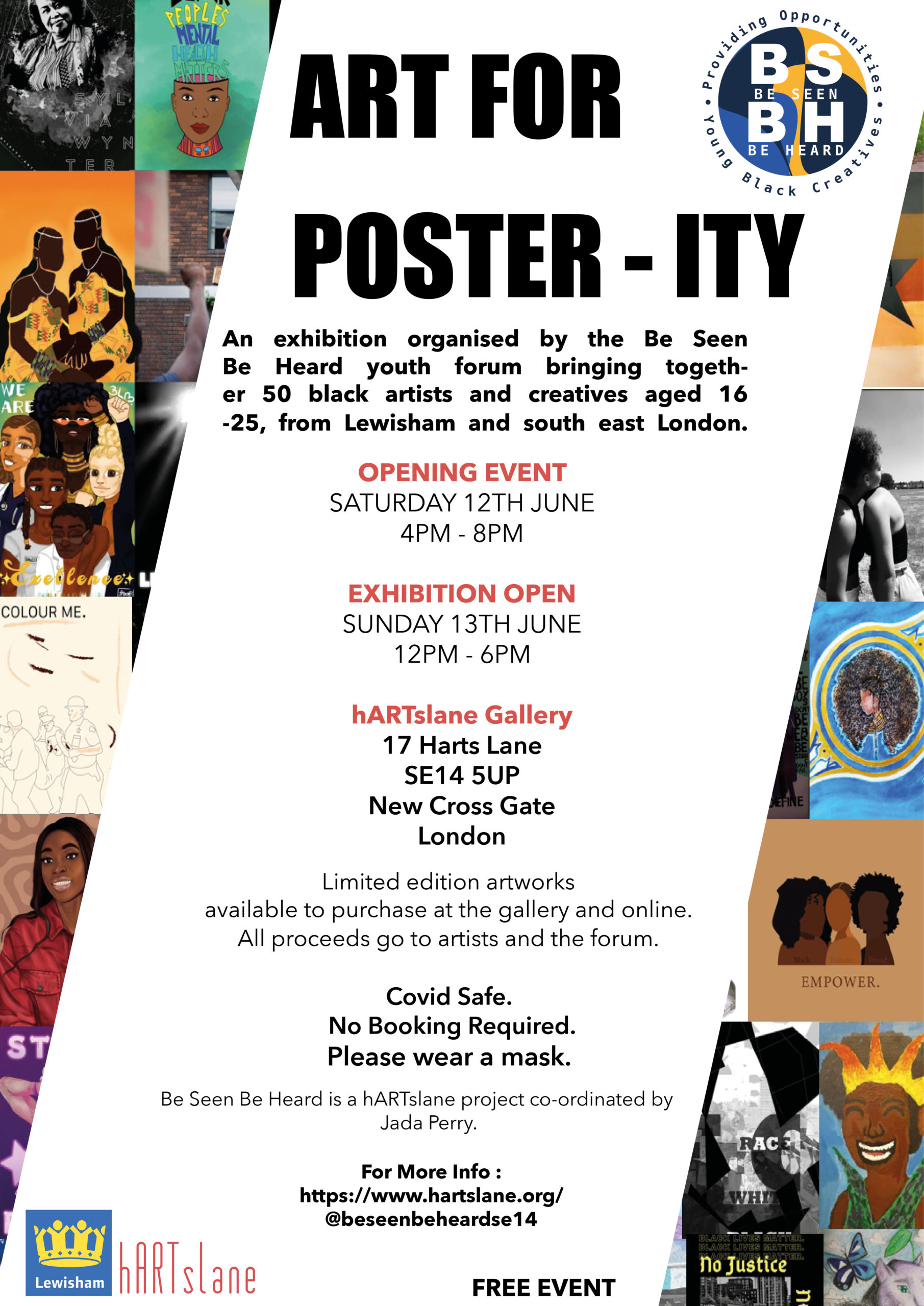
Be Seen Be Heard: the exhibition! Opening on Saturday 12th of June, 4-8pm ~ All welcome!

Be Seen, Be Heard

EXHIBITION

The exhibition is organised by the Be Seen Be Heard youth forum and brings together 50 black artists and creatives aged 16-25, from Lewisham & SE London, celebrating black lives as well as addressing disparity, marginalisation and the need for change.

All limited edition artworks will be available to purchase at the gallery and online. All the proceeds will go to both artists and the Forum.

  @beseenbeheardse14
 

Link to BSBH gallery page

Exhibitions, Opportunities

Continue reading

RELAY Exhibition, PV Tuesday 8th of June, 6-9pm ~ All welcome!

Relay

EXHIBITION

PV 8th June 2021, 6-9pm

Open 9-11 June, 4-7pm

Bringing together the 6 Relay Residency artists who produced new works engaging local residents during 2020 lockdown. 

The Relay symbolises the link between the individual artists at a time where personal interaction was very limited.

Residency artists:

Mathias Gontard
WhittyGordon Projects
Sam Schmitt
BLKBRD Collective
Diana Puntar
Dagmara Bilon

The Relay Residency programme was supported by Arts Council England.  

Relay e-book edited by Francesca Thatcher

Relay Residency

back

Exhibitions

Continue reading

Subscribe

* indicates required

hARTslane will use the information you provide on this form to be in touch with you and to provide updates and news about our work. Please let us know all the ways you would like to hear from us:

You can change your mind at any time by clicking the unsubscribe link in the footer of any email you receive from us, or by contacting us at info@hartslane.org. We will treat your information with respect. For more information about our privacy practices please visit our website. By clicking below, you agree that we may process your information in accordance with these terms.

We use Mailchimp as our marketing platform. By clicking below to subscribe, you acknowledge that your information will be transferred to Mailchimp for processing. Learn more about Mailchimp's privacy practices here.