Moving Harts Interviews: Guli Silberstein
Moving Harts Interviews
Guli Silberstein
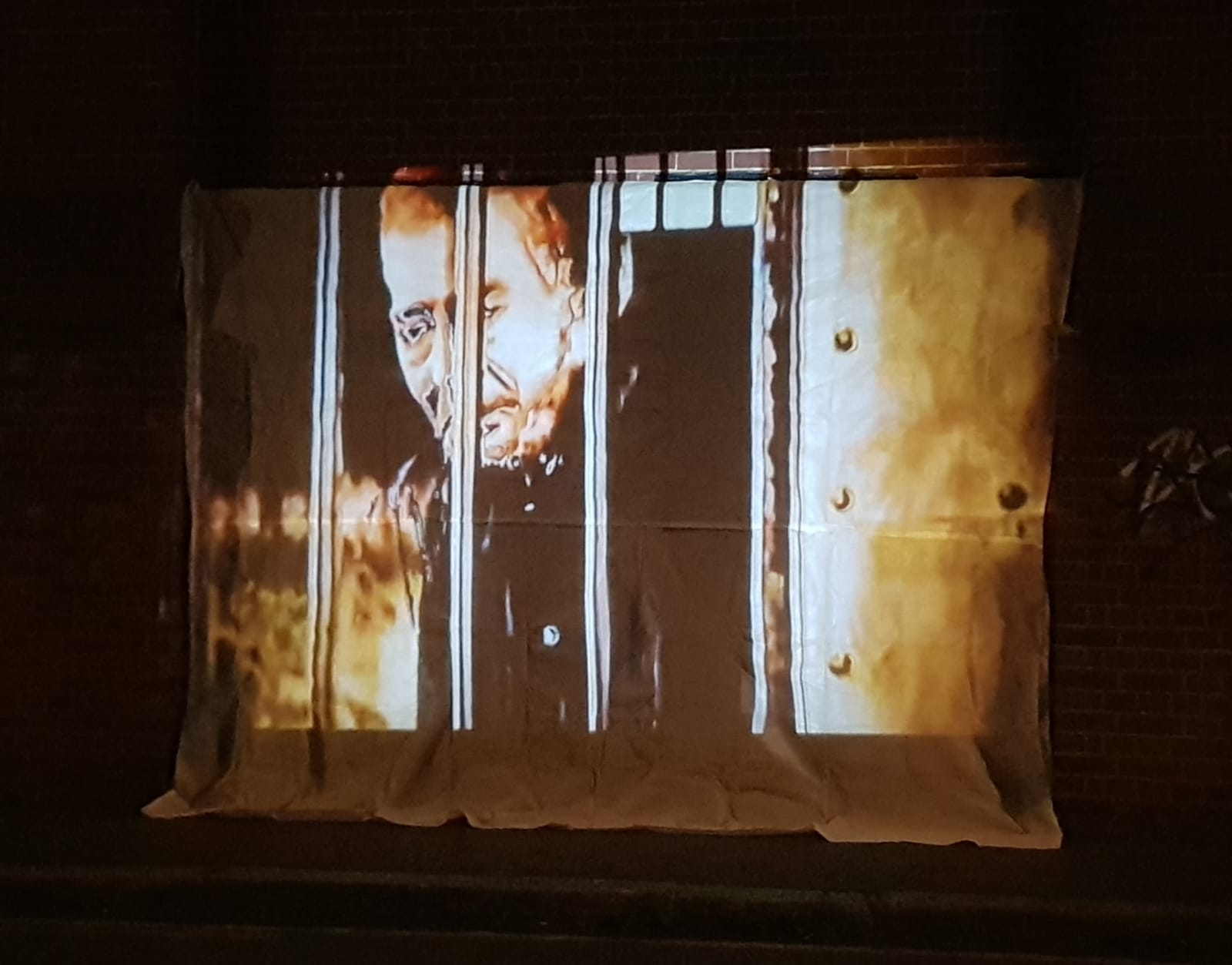
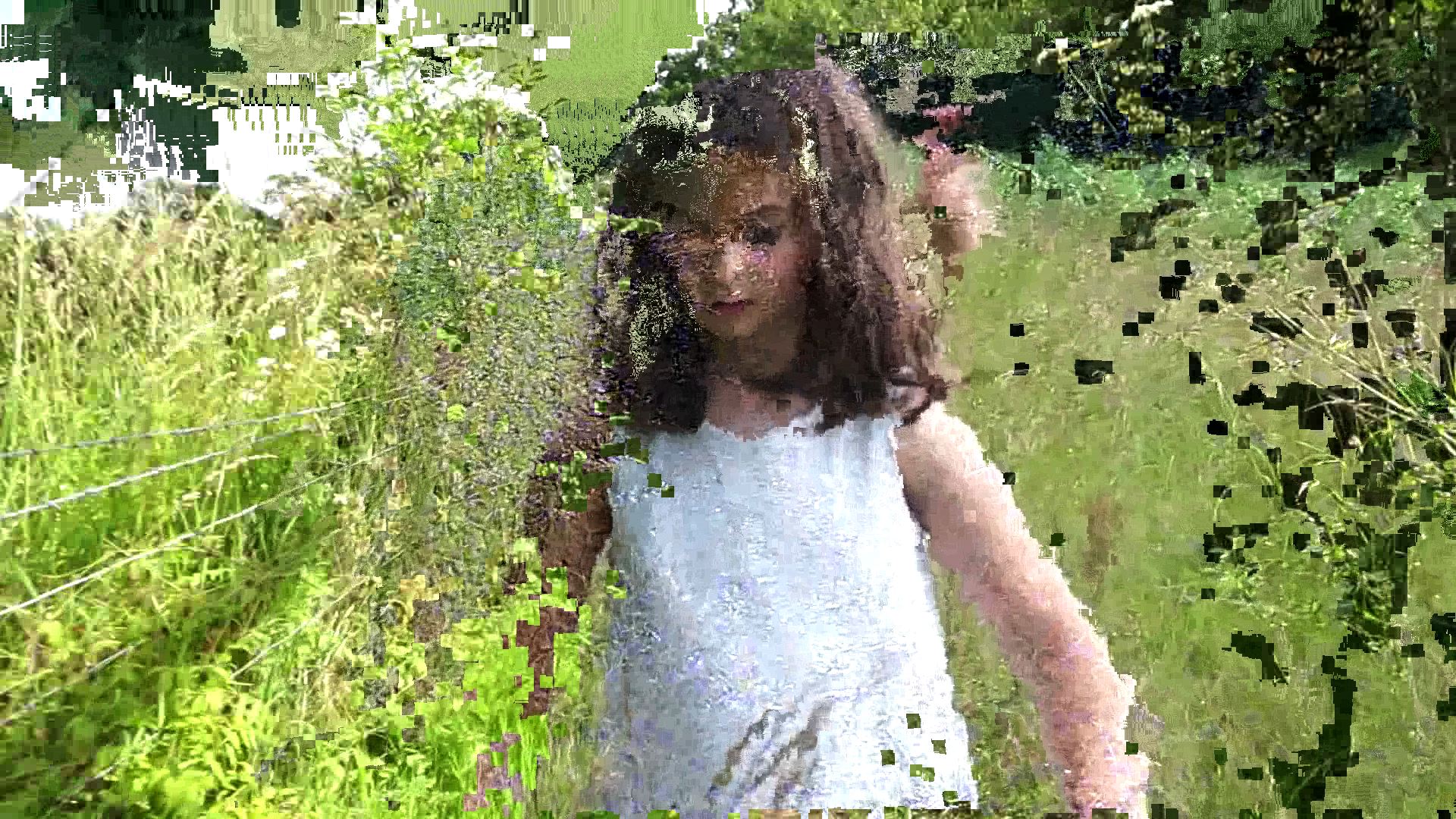
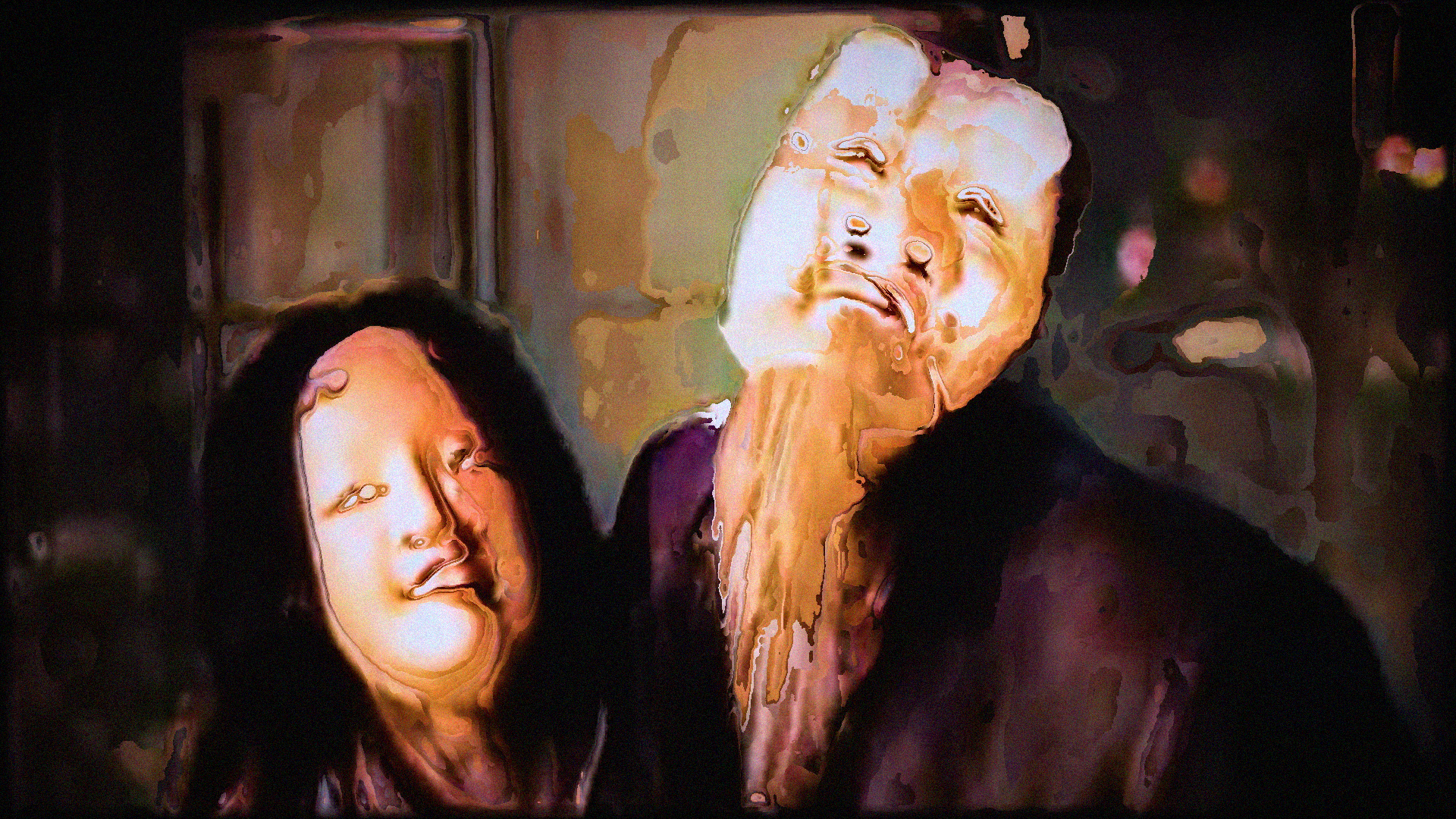
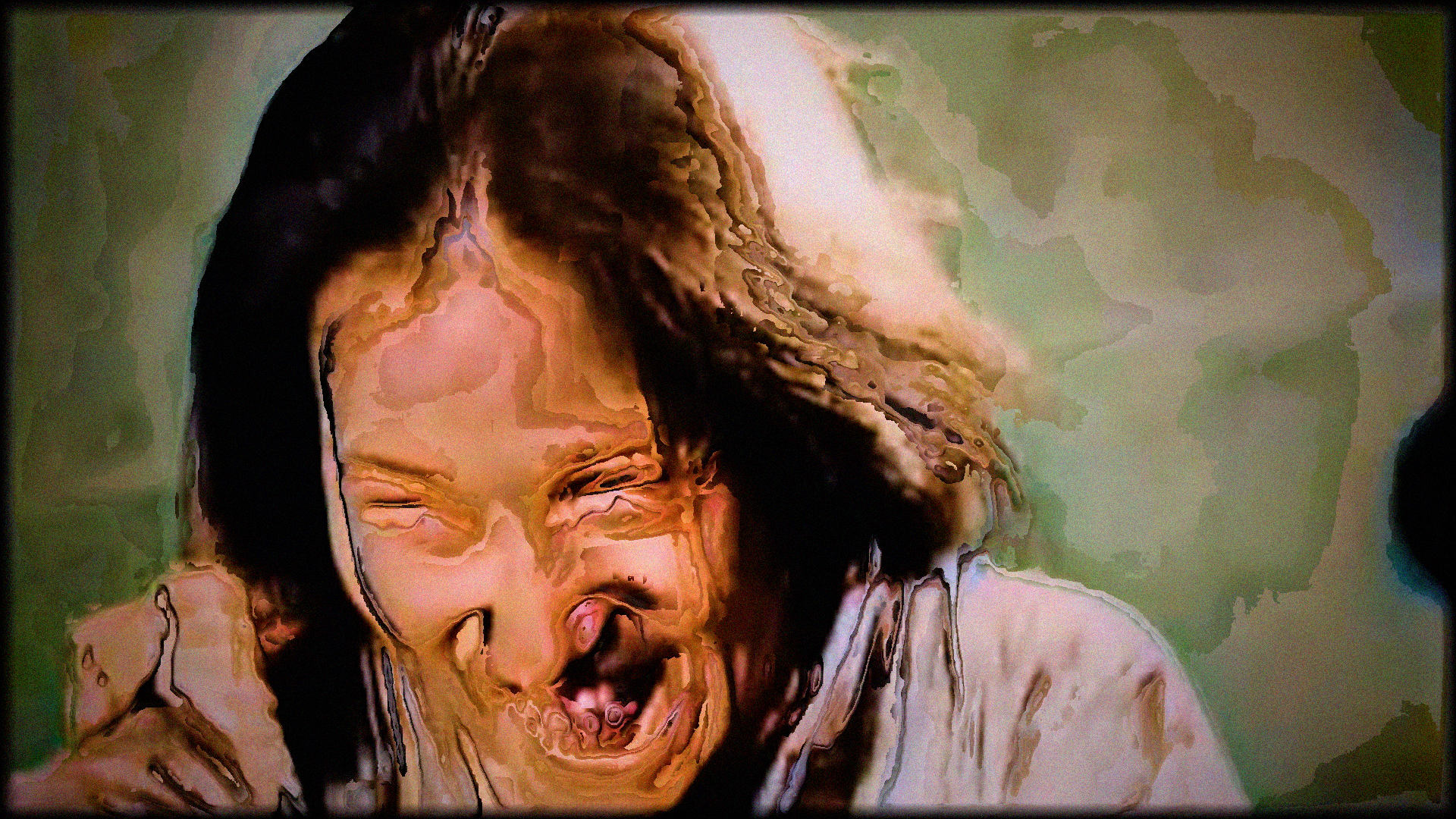
Guli Silberstein is a London based artist and film maker. His work involves processing and manipulating video footage as images are fed to us in glitches and splinters of colour, often resembling a painting or collage. Working closely with AI and digital tools, his most recent work, Image of Perception: prelude, was created from the project VideoWords by Magmart, whereby thirty international artists were each given a word to interpret, the words acting as a catalyst for the video piece. Each word represents many aspects of human life and emotion – it is therefore up to the artist to reflect on the word and relocate those thoughts into a short film. Guli was given the word Madness.
I come from a Fine Art painting background myself, so I wanted to dive right in and ask are there any painters that influence your work?
Good question. I’ve been influenced a lot by painting because I come from a film background basically, from a film making background. I was always drawn to strong imagery and when I started working with this sort of data processing it was discovered as having the look of paintings. Turner is an influence, definitely. I have a work which is called Matter and Light which actually has some shots taken in Margate. Also, Francis Bacon. Francis Bacon has been an influence for many years. The expressive images and distortion of the body, its deformation. Not in this work particularly, but in other works, it’s Monet and French Impressionism that inspire me. I’m trying to think specifically about this work, maybe because it’s darker it’s almost like abstract expressionism.
With the VideoWords project, you all got assigned a particular word – I was wondering where your mind went to initially when you got given the word madness?
It’s actually really weird with this project. So, this work is derived from a feature film which is called Image of Perception. This one is Image of Perception: prelude. It’s inspired by Stan Brakhage who used to use the word prelude in his works. He made Dog Star Man, which is a silent feature film and I saw it in Moma, New York many years ago. It actually inspired me to go into experimental film – it showed me the possibilities of it.
So anyway, the work is coming from this film that I was working on because there was the whole pandemic going on, and I was working on projects that I can do at home to express what I feel or perceive from the environment around me. I had a project before this one called The Devil Had Other Plans which is based on Night of the Living Dead, the horror, zombie film. I finished that and then I was like ok what’s next? I dealt with fear, with anxiety, but now I want to deal with madness, you know because this is crazy. And I found this film: A Page of Madness. I found this film and I worked on it. Then what happened is Enrico wrote to me saying do you want to participate in this project, and he said ok it’s like a lottery of words, you’re assigned a random video word. Then he said the word is Madness. And I was just working on a madness project! Based on a film which is called A Page of Madness. So that was amazing. An amazing coincidence.
Ah, so you started working with a film you were already making?
I tried a number of ideas, one was a processing of an environmental damage news package – because what happens with it is madness! But it didn’t work out too well. So, because of the amazing coincidence with A Page of Madness film project, I was drawn to try to create a
shorter version of it for VideoWords, I thought about maybe making a montage from the whole film. The original feature film A Page of Madness is composed of different scenes – there’s a word for each scene actually. It’s not really the same as the project in VideoWords.
This is one whole work. It is modular, but it is also an intro for the bigger work. It’s almost like an essence.
I haven’t actually seen the film myself, but I saw some of the stills online – they wear these theatrical masks during the very end scene.
The original film is mind blowing because it’s from 1926, you know really really early and yet it’s very modern. The thing is it’s originally black and white and I used AI to colourize it. In colour it’s becoming more surreal, not psychedelic but more expressive of the surreal world the original filmmakers lived in. It’s like their reflection on their ideas in their times and then I’m reflecting on their reflection. It’s like a reflection of a reflection. And then you have the AI getting involved so it’s like a reflection of a reflection of a reflection…
How important is it that people understand the reference when watching your film? I’m thinking of anyone who might recognise that it’s from A Page of Madness.
It’s a great question actually. The thing is that I want films to be experienced cognitively. Almost as a life experience or a living experience, something where you actually feel the film. It’s really about what you feel right now that I care about the most. But it’s also important to give credit to the original film. It’s like a homage. So in the end I think is a good place because the reference is there but it’s not dictating the experience.
Could you talk me through the AI processing involved? This is coming from someone who knows absolutely nothing about AI processing tools, but I’d like to get a picture of it going. How does it start and end – what’s the process?
Well, I’m not an AI programmer or anything like that, I’m a film maker and I use the tools that are available to me, same way people use cameras, people use editing tools. In the project before this one, I also used AI for colourisation. I see amazing works in black and white but for me it never looks interesting. If I work in black and white, I need colour because it kind of explodes to all sorts of tones and variations which are just much more exciting. Anyway, I found this Deoldify program. I tried it. It took me some time to figure out how to make it work because its not a straightforward program where you upload the file and then it colourizes it.
It’s a bit more complicated than that. First, I processed a Charlie Chaplin shot in black and white and it colourised it in 5 minutes. I was shocked. Then I processed this film and it colourised the whole film. I was really shocked. And its not only that. The machine is interpreting the colours, there’s a flicker of colours going on. So when it comes together this flicker adds a new sort of vibrance. I find stuff online and I utilise it for my purposes and if I’m
lucky, something comes out which is interesting and then I can use it as a film maker. AI is a camera almost. Camera shooters don’t really build the cameras but they use them, so it’s a bit like that.
Pairing the two together (AI and the human hand) is really interesting and I think you can see that in the film, those moments of stepping back and letting something else take over.
It’s interesting what you say that you can actually feel the pattern or the mechanism, and it’s interesting because the work is about people being stuck in the mechanism of this madhouse, and their relationship to it, like being trapped by the machines.
With AI – it’s a collaboration you can say. There’s always this debate you know who is doing the work. The machine does a lot but there’s also what’s called the black box in AI. There’s a lot of stuff that we are not aware of and I don’t know exactly what the machine does. It’s like
a vacuum space, I have no access to it. The programmers don’t know exactly what these algorithms do, so sometimes like when a Facebook a picture gets disqualified because they think it’s a nude when it’s actually a shirt. The machine learns as it goes, and the
programmer doesn’t have control over what it’s going to learn. They do feed it some stuff in the beginning but you don’t know where it’s going to evolve to. I think we have our own limitations in consciousness and chance allows for something freer.
Guli’s work can be found at www.guli-silberstein.com. His full feature film Image of Perception will be shown in upcoming festivals soon.
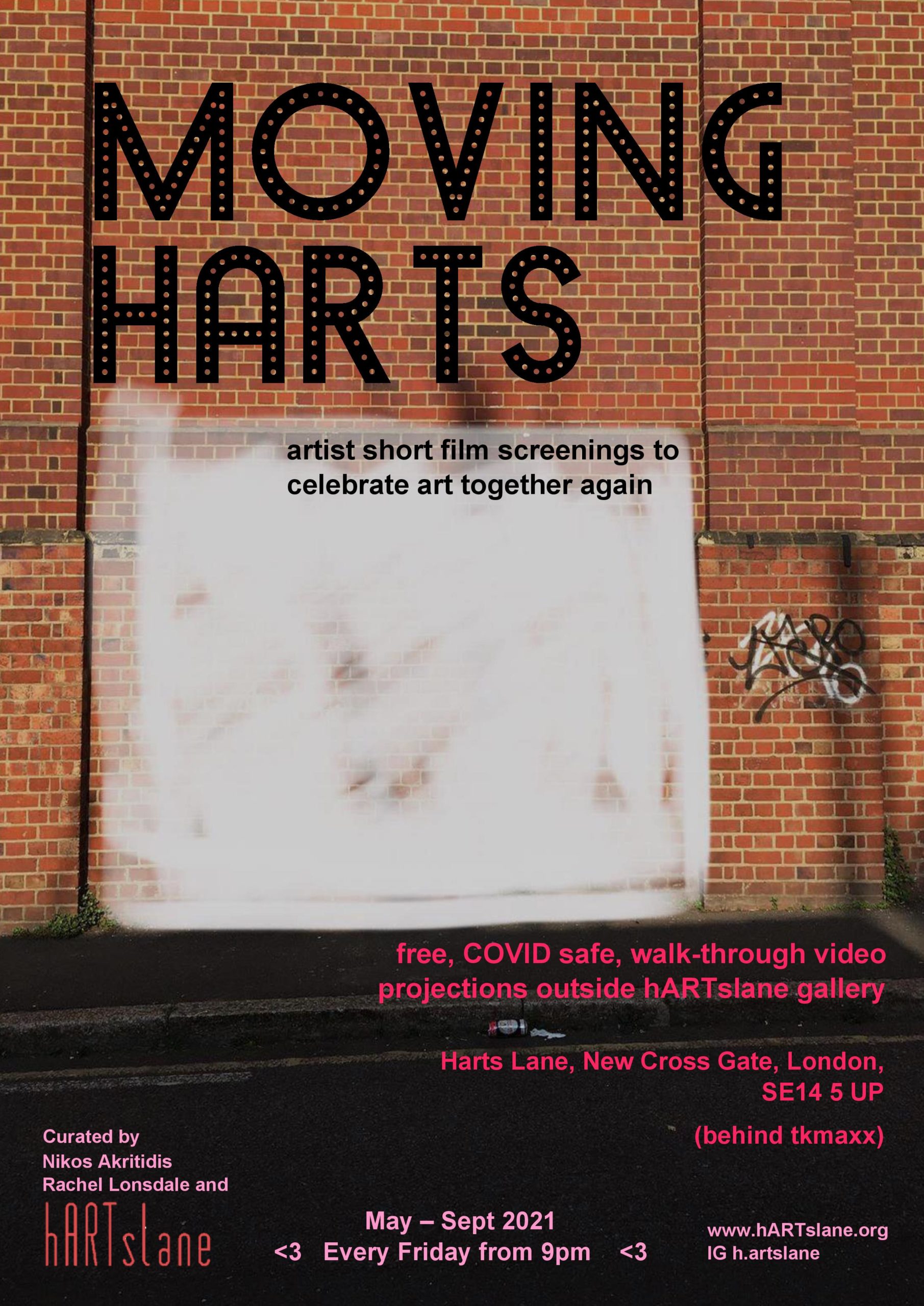
The artists involved in VideoWords will be showcased at Moving Harts – a programme of walk-through video projections outside hARTslane Gallery, curated by Nikos Akritidis, Rachel Lonsdale and hARTslane. Screenings are every Friday evening from 9pm, and will run from 7 th May – September 2021.
Interviewer: Rachel Lonsdale
www.rachellonsdale.co.uk
@rachel_lonsdale