Category: Not Classified

Moving Harts Interviews: Suso Phizer
Moving Harts

INTERVIEW TO SUSO PHIZER

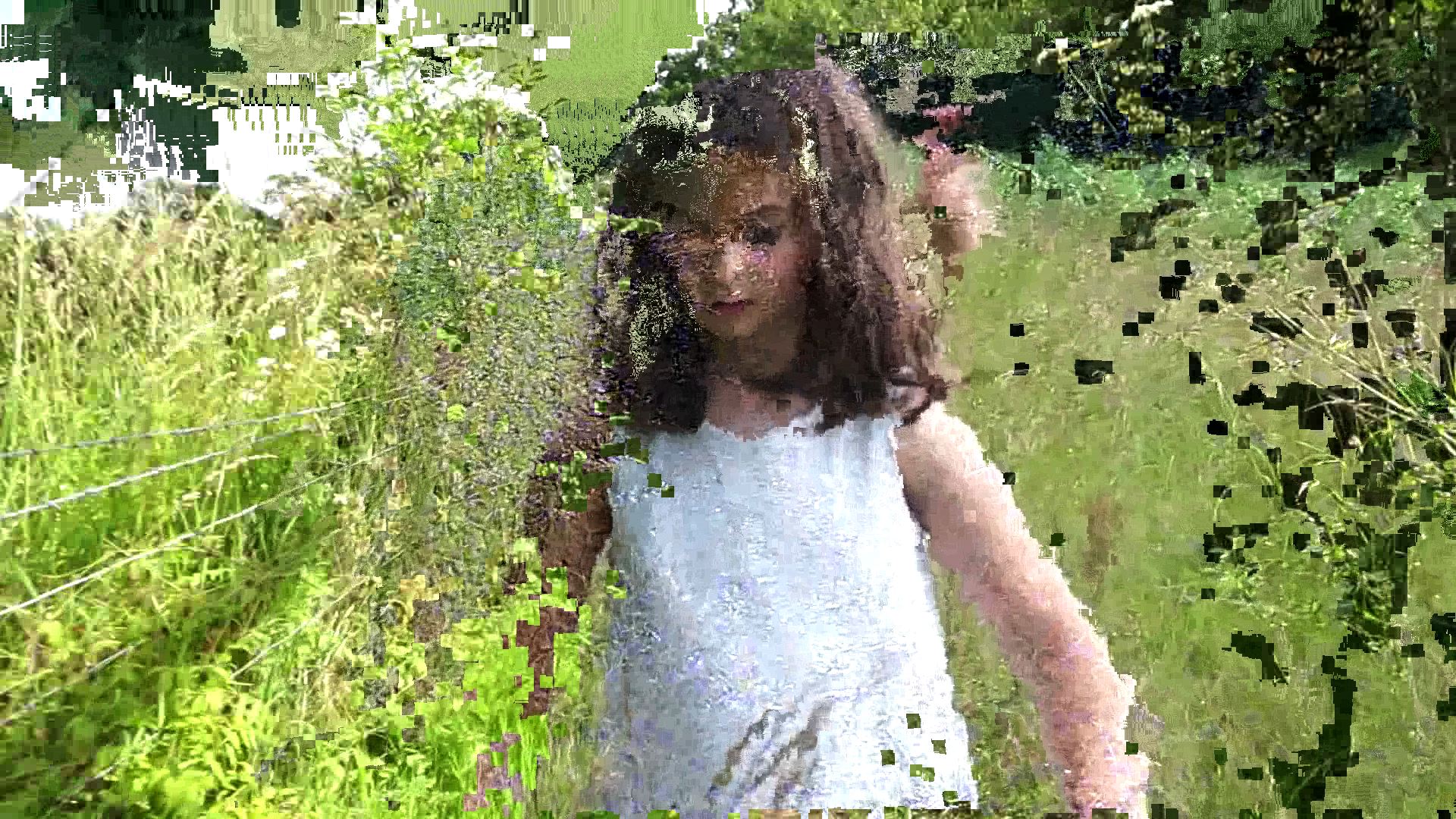
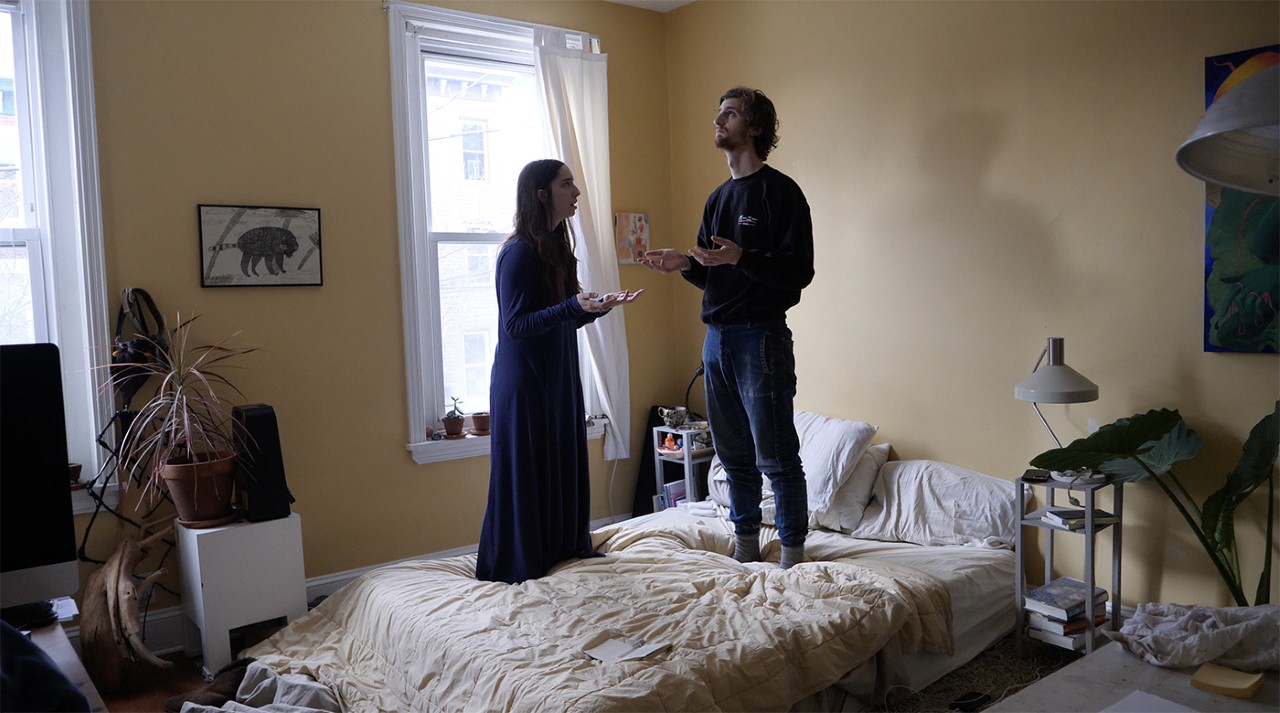
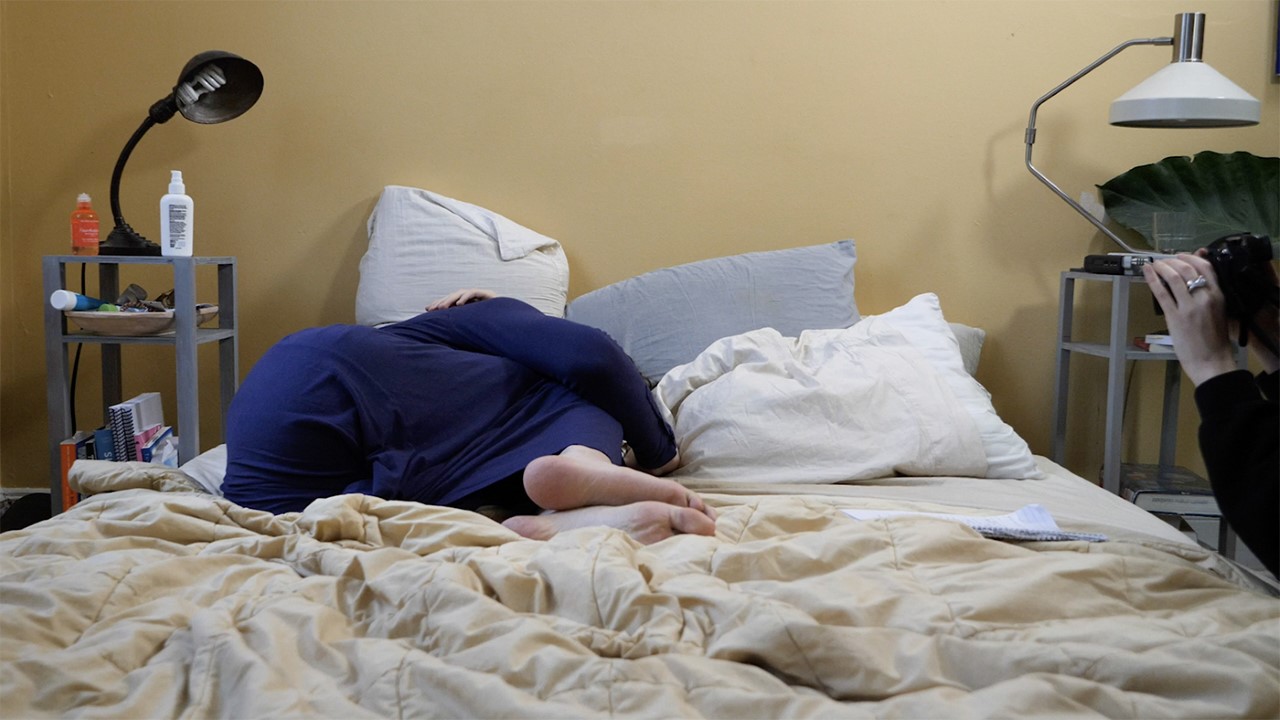
Suso Phizer is a Philadelphia based artist and social worker who specializes in group process. In her artwork she uses performance and video to explore relational dynamics, often involving herself and her collaborators. Her most recent work, Utopia, documents an unscripted fight with her partner. Following this, she uses a role-reversal exercise to re-enact the fight and to feel into each other’s performances of anger, hurt, and tenderness. This piece was created from the project Videowords by Magmart, whereby thirty international artists were each given a word to interpret, the words acting as a catalyst for the video piece. Each word represents many aspects of human life and emotion – it is therefore up to the artist to reflect on the word and relocate those thoughts into a short film. Suso was given the word Utopia.

You got given the word utopia. I wanted to ask what that word means to you? For me if I hear the word utopia, I think of something quite saturated and dreamy with colour, whereas I noticed your work was the opposite, very monotone and unfiltered. It resembled real life.

I get tense when I think about the notion of utopia. I feel a bit frozen by the idealism and the fear of some kind of utopic project having devastating consequences. What comes to my mind is historical utopian projects that at times have been brutal and genocidal. So I was just sitting with that word, thinking, how do I relate to this word, and what kept coming to mind is my romantic relationship. There’s some kind of striving after perfection in that realm, that I think in some ways is foolish and doomed and yet, it seems that my partner and I both enter that mindset. Especially in moments of rupture, there’s this kind of urgency that emerges, a part of me that demands for the way we treat one another to be exceptional. So I think that my relationship is the arena in which I could honestly say I am partaking in a utopian project. It’s maybe the area of my life where I have enough power to give me the courage, or sometimes, the arrogance, to try for utopia. So that’s how I landed on this mundane reality.

I like that a lot. A relationship with a partner feels somewhat tied with control/loss of control. Whether this carries on, how much effort I put into this, where this completely comes to a halt. And sometimes that power can be a little bit overwhelming.

And when you say that it makes me think of the intoxication of that power. It can be corrupting and it can be used in a corrupt way. It makes me think of “parallel process” which is a term from the therapy world. It comes from a systems approach, and it refers to how dynamics that are happening at higher levels of a system tend to replicate at lower levels and vice versa. For example, with a relationship, if I have some utopian ideals in the culture I’m in but feel disempowered and totally overwhelmed to enact those ideals then I might try to act out those ideals in the realm in which I do have power. And in doing that I could be described as enacting a parallel process with my partner to what’s happening in the world outside of our relationship. Some of the power dynamics that happen between us can be understood as an acting out of larger societal themes around power and gender.

I didn’t see much of a gender dynamic as I was watching the video. It felt very neutral.

Yes I agree – somehow with the length of the video and the exercise that we were doing, of role reversal, and trying to get deeper and deeper into each other’s performance of anger, there ends up being more of a twinning and mirroring. We both play both roles. I don’t think this video prioritises showcasing a differentiation very much – it’s more like role confusion.

In the video there’s cuts between a role-played fight and a real fight between you two. Is the original fight the footage towards the end? Because I couldn’t quite tell – was that the point, not being able to figure out which one is acted and which one the original?

The original plan was to try to write a script for a fictional fight together, based on our past experiences. But then we had an argument on camera organically as I was beginning to shoot. It was a precious opportunity, so I decided to change course. Yes, the video comes to a close with some clips from the real fight. There’s a part in the middle and beginning that has some of the real fight in it as well, so it is worked in and it is meant to be ambiguous to some extent.

I’m invested in the slippage between performance and the real, and I look to methods like Theatre of the Oppressed and Psychodrama for inspiration in that space, as well as other therapeutic and theatrical tools that have been developed to help people re-enact and intervene on their personal experiences. These structured re-enactments can end up feeling in some ways more real and have more emotional depth than the original incident.

I’m really interested in the research that surrounds this topic. I wanted to ask if you had any book recommendations? What are you reading at the moment?

Well now I’m reading Family Lexicon which I can see being somewhat relevant to this topic in her relationship to reality and fiction – that’s by Natalia Ginzburg. I’ve also been revisiting Internal Family Systems Therapy by Richard Schwartz and Martha Sweezy which I draw a lot of inspiration from. For work I provide therapy, which heavily informs my art practice. Internal Family Systems is a theory for differentiating the self into parts, accessing those parts and putting them in conversation with one another. In some ways it’s very compatible with Psychodrama, which often involves acting out conversations between people from your past, or parts of yourself. If you are interested in learning more about Psychodrama, I recommend Scott Giacomucci’s book called Social Work, Sociometry, and Psychodrama (it is available for free here). For more about Theatre of the Oppressed, I recommend Theatre of the Oppressed by Augusto Boal.

I wanted you to ask what pushes you to make this sort of work like what inspires you. I’m imagining the therapy has a big role to play.

Honestly, I think that the therapy came out of doing this sort of work more so than the other way around. I had a career change – I was in the art world for ten years or so and then I discovered Tavistock Group Relations Conferences, which are a niche form of experiential pedagogy. They are intensive, very chaotic and exciting 3-5 day events involving something called here-and-now group process, in which a group’s task is to get to know itself over the course of those days. So basically, you’re sitting in a room full of people, and people kind of don’t know what they’re there for – there’s a lot of silence and tension. The instructions in the conference are hard to take in because in a way the task feels impossibly simple: the task being to get to know the group in the here-and-now.

It feels like a social meditation, but eventually more chaotic and aggressive and messy than one might associate with meditation. I found out about these conferences from a film – my partner (the same one in Utopia, Fred) showed me this film called The Task by Leigh Ledare. The Task shows a Group Relations Conference unfolding, and as I watched I fell in love with Group Relations, and I went on to participate in conferences, and reoriented my art practice around group process.

I’ve come to be obsessed with making art about the “here and now” of groups as my way into looking at the dynamics that happen on every level of society. One of my first projects in this style was a collaboration between me and my friend Anne Lukins. We studied our friendship in the video, and framed our dynamic as a microcosm of dynamics in white female friendships. It was very opening for me to legitimise investigating what’s present, as opposed to striving after something that isn’t here yet.

I do think it’s inspiring to deal with the present and relationships that are happening right now but sometimes with my own work it sets me back, especially when I started doing performance. I used to paint, and with it had that separation, there was art and then my life, however I think especially when you sway into this topic, the practice and the everyday both sort of slur into one. What do you do? Do you want to keep the barrier or are you happy to let it flow between?

I think those boundaries are really important. And there’s been times when I was in grad school, discovering here and now group process I started to feel like there was no differentiation, and at every moment of my life there was part of me that was like “do I turn on the recorder? How could this moment enter into the video I’m working on at the minute?” And I think I’m not in that head space anymore – I’m appreciating that there’s a lot more boundaries at this point in my life. Of course, that blurriness, the slurring as you put it, I like that, never goes away – because through memory, every moment is available to be mined for content. I think it is wonderful in some ways to not have boundaries and to always feel like an artist, but it’s very taxing. For one thing, that dual mindset of artmaking, where you’re both inside the experience and trying to look at it from a viewer’s perspective, is exhausting.

Do you have a studio space?

I don’t – I don’t currently gravitate towards that way of working. When I’m in the studio I end up feeling lots of pressure, and I’m sure at some point in my life this will probably change but at this moment there’s excitement in just being in my living spaces or other non-art spaces as I make art. Even just the way I’m thinking about drawing or the way I think about the set of videos has really shifted. Instead of feeling gravitated towards finding blank spaces I feel very drawn towards working on top of or inside of whatever is there. I liked shooting in my bedroom for example. It’s just jiving with my current state of mind.

Link to Moving Harts

Screenings

Continue reading

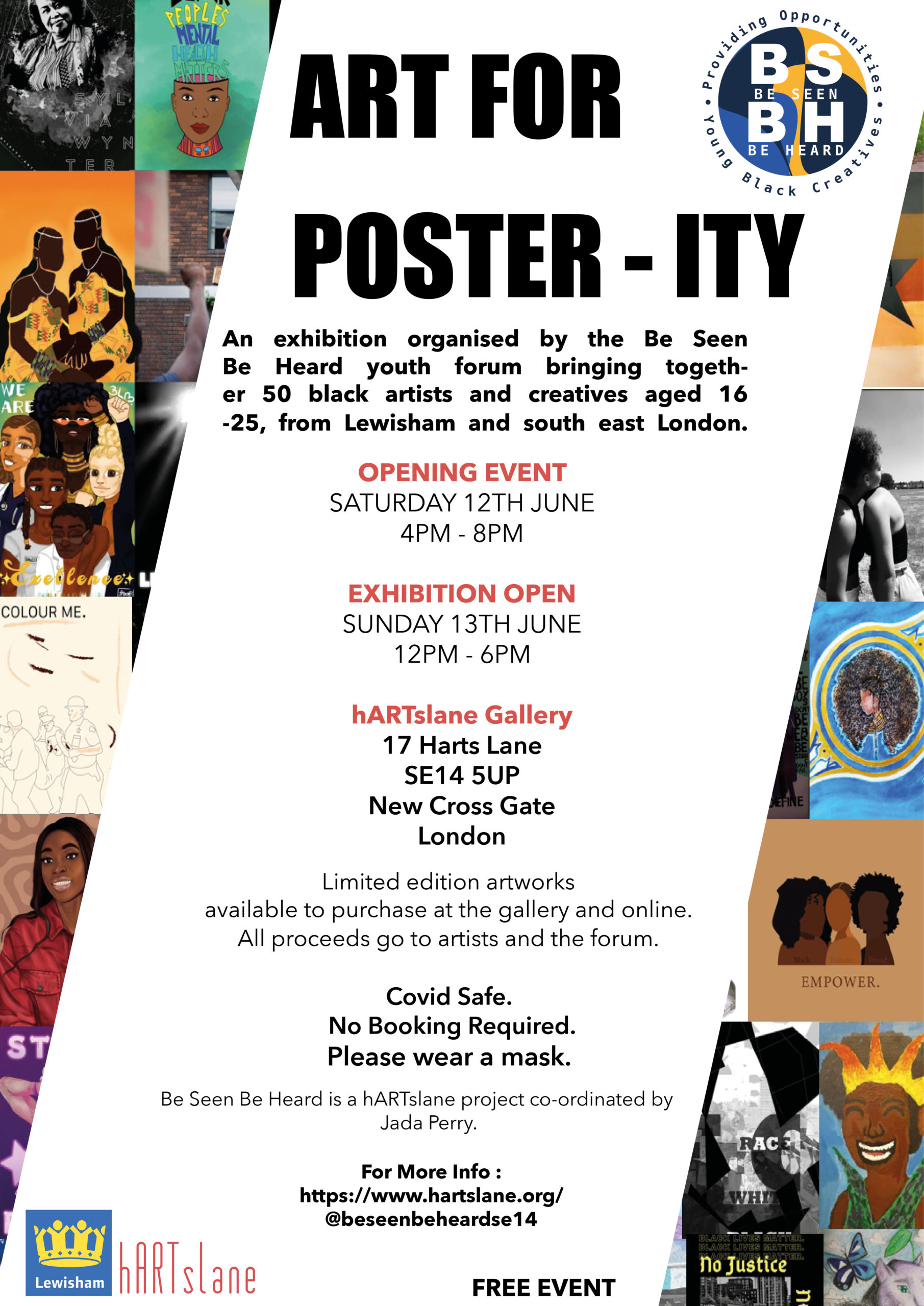
Be Seen Be Heard: the exhibition! Opening on Saturday 12th of June, 4-8pm ~ All welcome!

Be Seen, Be Heard

EXHIBITION

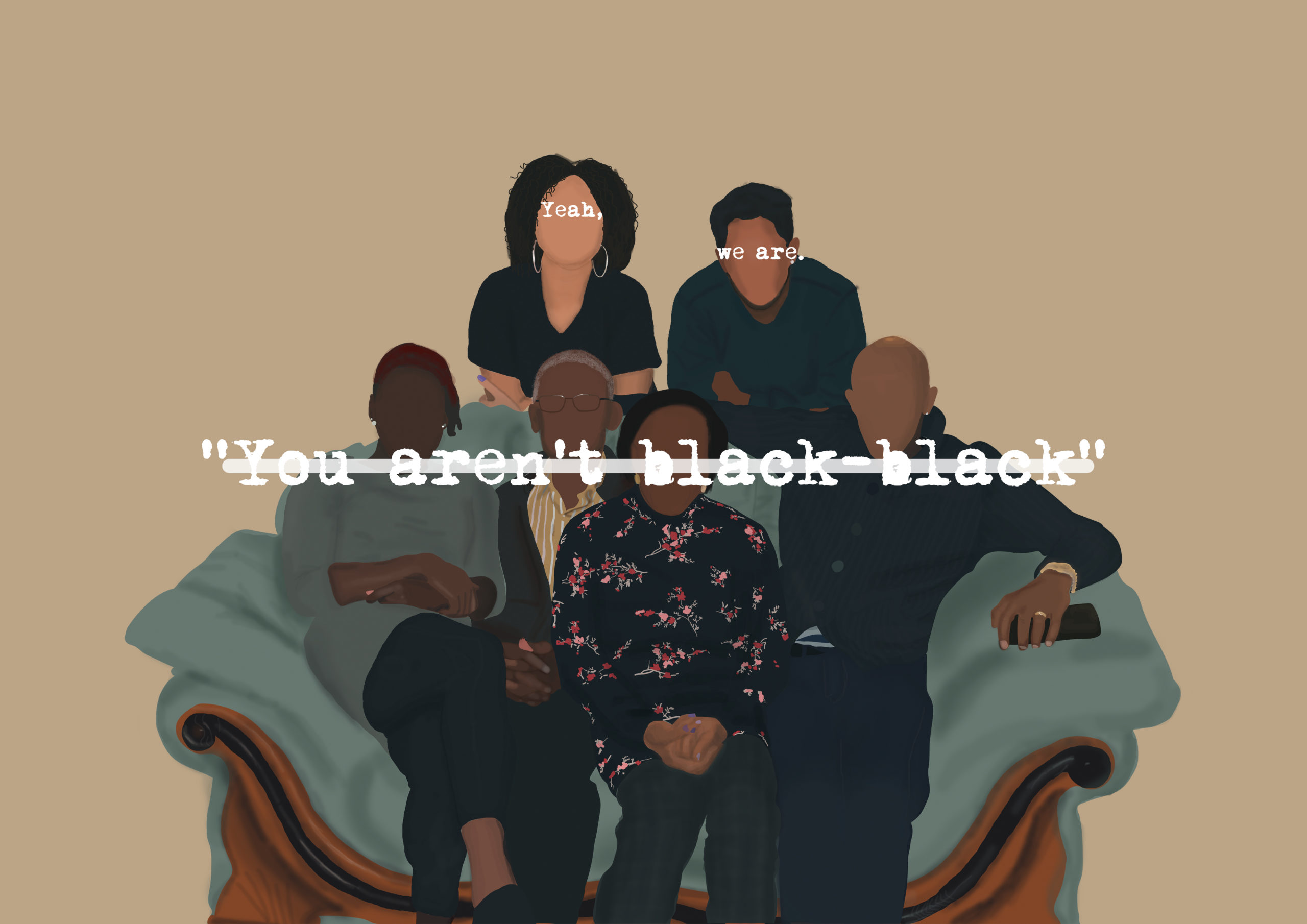
The exhibition is organised by the Be Seen Be Heard youth forum and brings together 50 black artists and creatives aged 16-25, from Lewisham & SE London, celebrating black lives as well as addressing disparity, marginalisation and the need for change.

All limited edition artworks will be available to purchase at the gallery and online. All the proceeds will go to both artists and the Forum.

  @beseenbeheardse14
 

Link to BSBH gallery page

Exhibitions, Opportunities

Continue reading

RELAY Exhibition, PV Tuesday 8th of June, 6-9pm ~ All welcome!

Relay

EXHIBITION

PV 8th June 2021, 6-9pm

Open 9-11 June, 4-7pm

Bringing together the 6 Relay Residency artists who produced new works engaging local residents during 2020 lockdown. 

The Relay symbolises the link between the individual artists at a time where personal interaction was very limited.

Residency artists:

Mathias Gontard
WhittyGordon Projects
Sam Schmitt
BLKBRD Collective
Diana Puntar
Dagmara Bilon

The Relay Residency programme was supported by Arts Council England.  

Relay e-book edited by Francesca Thatcher

Relay Residency

back

Exhibitions

Continue reading

BSBH 2020 Award

BSBH 2020 Award

The jury panel selected the best entry to win the BSBH 2020 Award: Congratulations to Jas Nandoo who submitted her artwork ’Only half’

BSBH 2020 Jury members:

  • Fred Agbah, artist and photographer
  • Cedric Christie, artist
  • Shereener Browne Hudson, actor and theatre producer
  • Cedric Whilby, community enabler

back

Continue reading

Moving Harts Interviews: Guli Silberstein


Moving Harts Interviews

Guli Silberstein

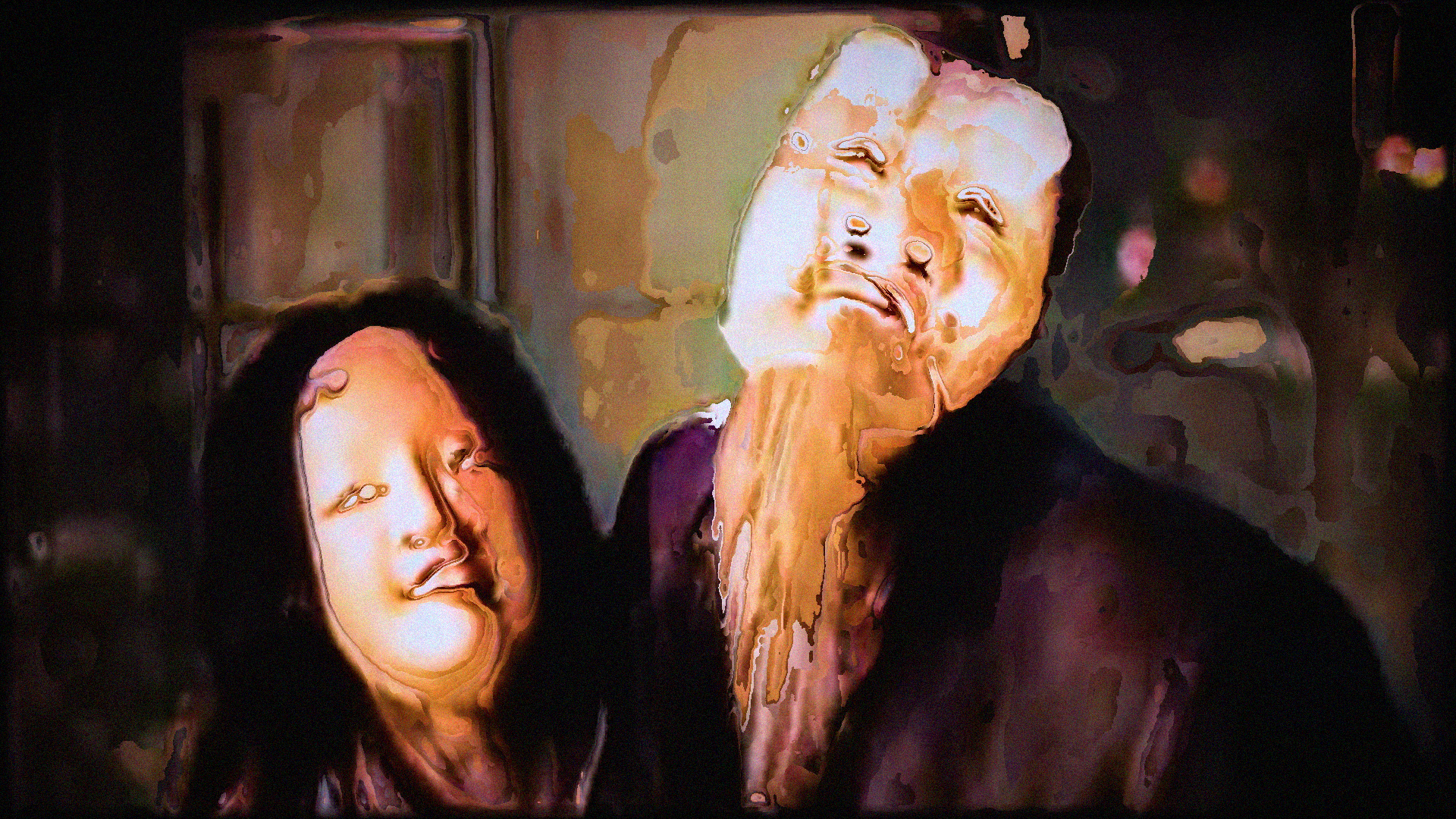
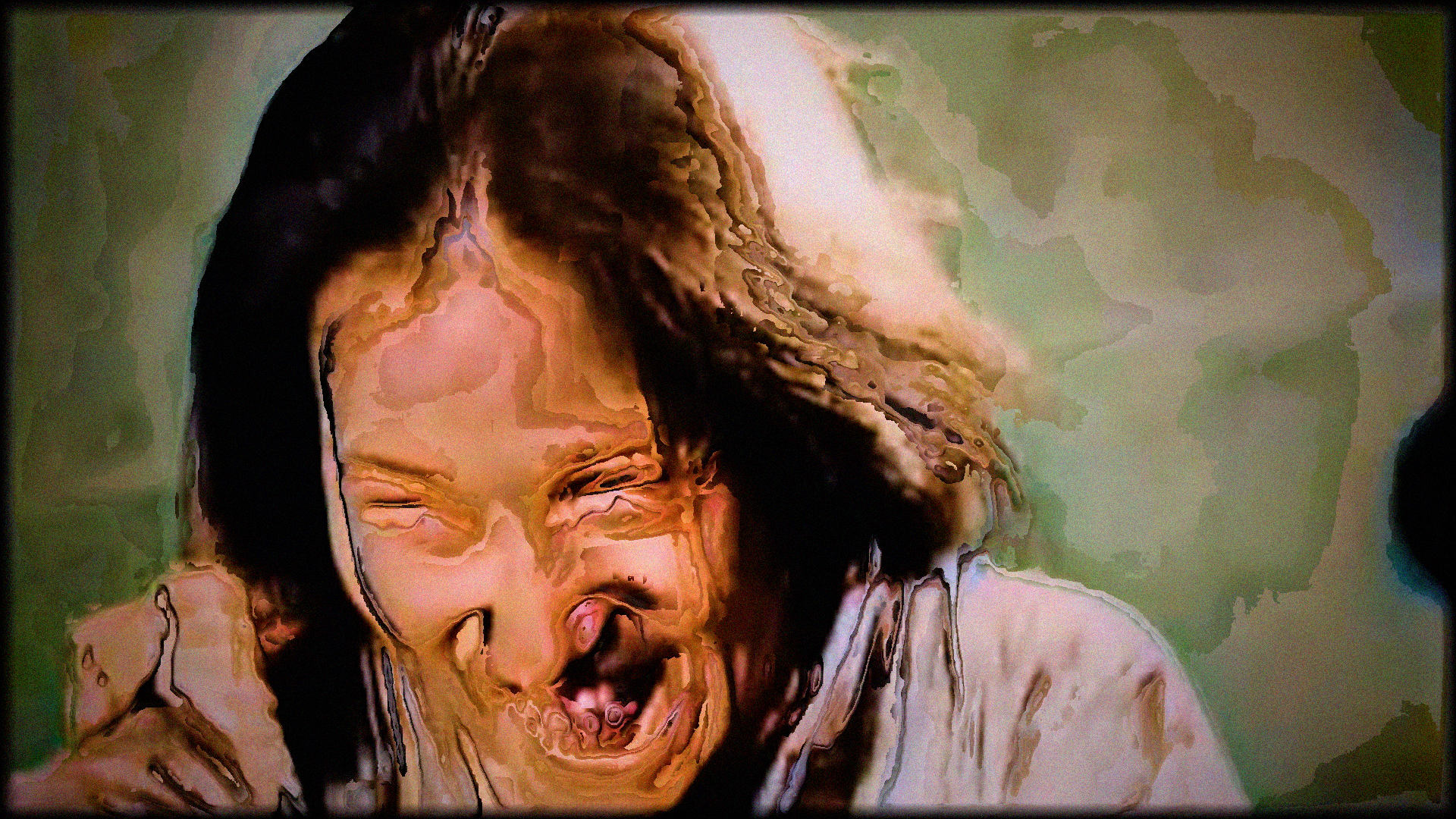
Guli Silberstein is a London based artist and film maker. His work involves processing and manipulating video footage as images are fed to us in glitches and splinters of colour, often resembling a painting or collage. Working closely with AI and digital tools, his most recent work, Image of Perception: prelude, was created from the project VideoWords by Magmart, whereby thirty international artists were each given a word to interpret, the words acting as a catalyst for the video piece. Each word represents many aspects of human life and emotion – it is therefore up to the artist to reflect on the word and relocate those thoughts into a short film. Guli was given the word Madness.
 
I come from a Fine Art painting background myself, so I wanted to dive right in and ask are there any painters that influence your work? 

Good question. I’ve been influenced a lot by painting because I come from a film background basically, from a film making background. I was always drawn to strong imagery and when I started working with this sort of data processing it was discovered as having the look of paintings. Turner is an influence, definitely. I have a work which is called Matter and Light which actually has some shots taken in Margate. Also, Francis Bacon. Francis Bacon has been an influence for many years. The expressive images and distortion of the body, its deformation. Not in this work particularly, but in other works, it’s Monet and French Impressionism that inspire me. I’m trying to think specifically about this work, maybe because it’s darker it’s almost like abstract expressionism.  
 
 
With the VideoWords project, you all got assigned a particular word – I was wondering where your mind went to initially when you got given the word madness?  

It’s actually really weird with this project. So, this work is derived from a feature film which is called Image of Perception. This one is Image of Perception: prelude. It’s inspired by Stan Brakhage who used to use the word prelude in his works. He made Dog Star Man, which is a silent feature film and I saw it in Moma, New York many years ago. It actually inspired me to go into experimental film – it showed me the possibilities of it.  
So anyway, the work is coming from this film that I was working on because there was the whole pandemic going on, and I was working on projects that I can do at home to express what I feel or perceive from the environment around me. I had a project before this one called The Devil Had Other Plans which is based on Night of the Living Dead, the horror, zombie film. I finished that and then I was like ok what’s next? I dealt with fear, with anxiety, but now I want to deal with madness, you know because this is crazy. And I found this film: A Page of Madness. I found this film and I worked on it. Then what happened is Enrico wrote to me saying do you want to participate in this project, and he said ok it’s like a lottery of words, you’re assigned a random video word. Then he said the word is Madness. And I was just working on a madness project! Based on a film which is called A Page of Madness. So that was amazing. An amazing coincidence.  

Ah, so you started working with a film you were already making? 

I tried a number of ideas, one was a processing of an environmental damage news package – because what happens with it is madness! But it didn’t work out too well. So, because of the amazing coincidence with A Page of Madness film project, I was drawn to try to create a
shorter version of it for VideoWords, I thought about maybe making a montage from the whole film. The original feature film A Page of Madness is composed of different scenes – there’s a word for each scene actually. It’s not really the same as the project in VideoWords.
This is one whole work. It is modular, but it is also an intro for the bigger work. It’s almost like an essence.

 
I haven’t actually seen the film myself, but I saw some of the stills online – they wear these theatrical masks during the very end scene. 
The original film is mind blowing because it’s from 1926, you know really really early and yet it’s very modern. The thing is it’s originally black and white and I used AI to colourize it. In colour it’s becoming more surreal, not psychedelic but more expressive of the surreal world the original filmmakers lived in. It’s like their reflection on their ideas in their times and then I’m reflecting on their reflection. It’s like a reflection of a reflection. And then you have the AI getting involved so it’s like a reflection of a reflection of a reflection… 

 
How important is it that people understand the reference when watching your film? I’m thinking of anyone who might recognise that it’s from A Page of Madness.

It’s a great question actually. The thing is that I want films to be experienced cognitively. Almost as a life experience or a living experience, something where you actually feel the film. It’s really about what you feel right now that I care about the most. But it’s also important to give credit to the original film. It’s like a homage. So in the end I think is a good place because the reference is there but it’s not dictating the experience. 
 

Could you talk me through the AI processing involved? This is coming from someone who knows absolutely nothing about AI processing tools, but I’d like to get a picture of it going. How does it start and end – what’s the process? 

Well, I’m not an AI programmer or anything like that, I’m a film maker and I use the tools that are available to me, same way people use cameras, people use editing tools. In the project before this one, I also used AI for colourisation. I see amazing works in black and white but for me it never looks interesting. If I work in black and white, I need colour because it kind of explodes to all sorts of tones and variations which are just much more exciting. Anyway, I found this Deoldify program. I tried it. It took me some time to figure out how to make it work because its not a straightforward program where you upload the file and then it colourizes it.
It’s a bit more complicated than that. First, I processed a Charlie Chaplin shot in black and white and it colourised it in 5 minutes. I was shocked. Then I processed this film and it colourised the whole film. I was really shocked. And its not only that. The machine is interpreting the colours, there’s a flicker of colours going on. So when it comes together this flicker adds a new sort of vibrance. I find stuff online and I utilise it for my purposes and if I’m
lucky, something comes out which is interesting and then I can use it as a film maker. AI is a camera almost. Camera shooters don’t really build the cameras but they use them, so it’s a bit like that. 

Pairing the two together (AI and the human hand) is really interesting and I think you can see that in the film, those moments of stepping back and letting something else take over.  

It’s interesting what you say that you can actually feel the pattern or the mechanism, and it’s interesting because the work is about people being stuck in the mechanism of this madhouse, and their relationship to it, like being trapped by the machines.  
With AI – it’s a collaboration you can say. There’s always this debate you know who is doing the work. The machine does a lot but there’s also what’s called the black box in AI. There’s a lot of stuff that we are not aware of and I don’t know exactly what the machine does. It’s like
a vacuum space, I have no access to it. The programmers don’t know exactly what these algorithms do, so sometimes like when a Facebook a picture gets disqualified because they think it’s a nude when it’s actually a shirt. The machine learns as it goes, and the
programmer doesn’t have control over what it’s going to learn. They do feed it some stuff in the beginning but you don’t know where it’s going to evolve to. I think we have our own limitations in consciousness and chance allows for something freer.

Guli’s work can be found at www.guli-silberstein.com. His full feature film Image of Perception will be shown in upcoming festivals soon. 

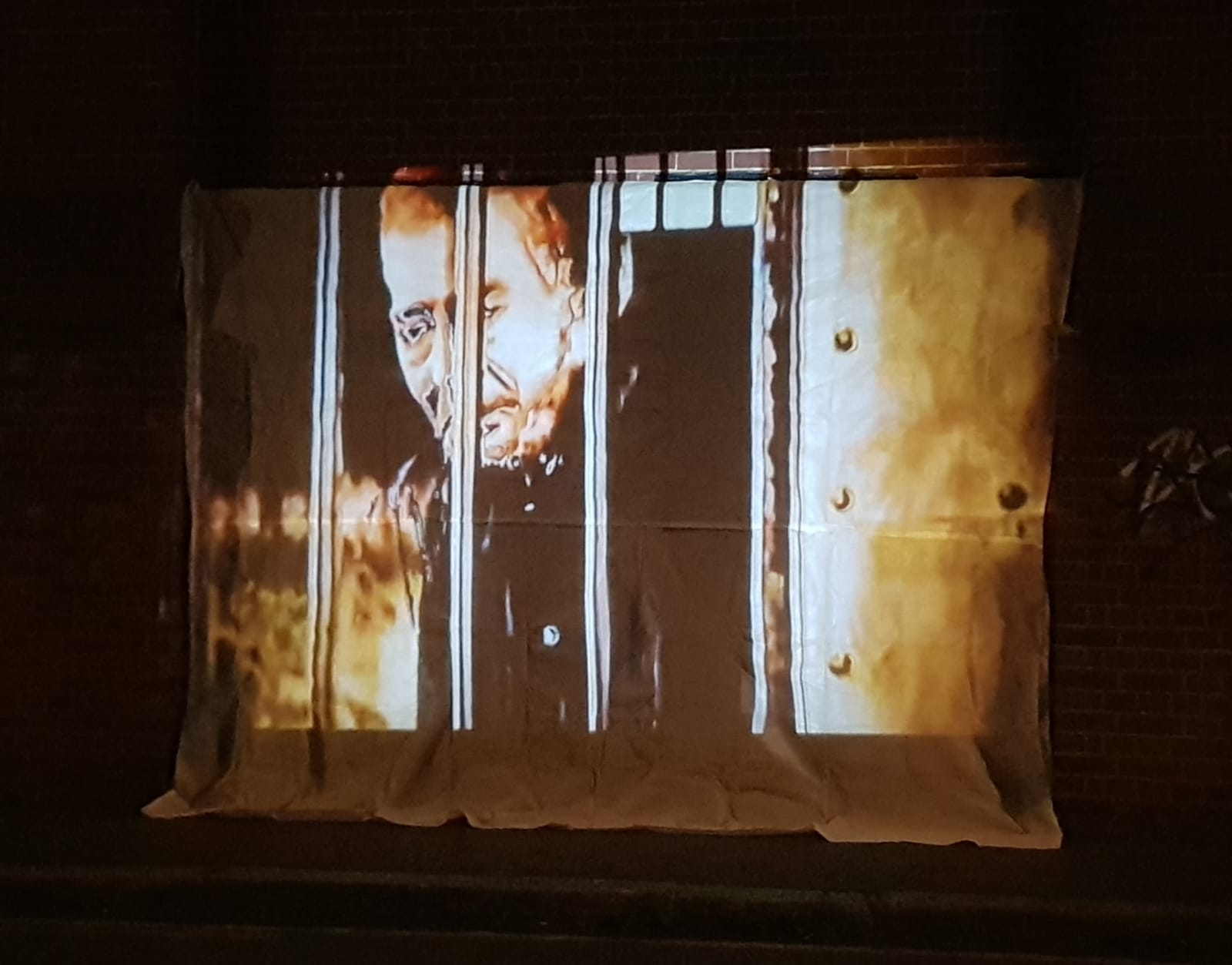
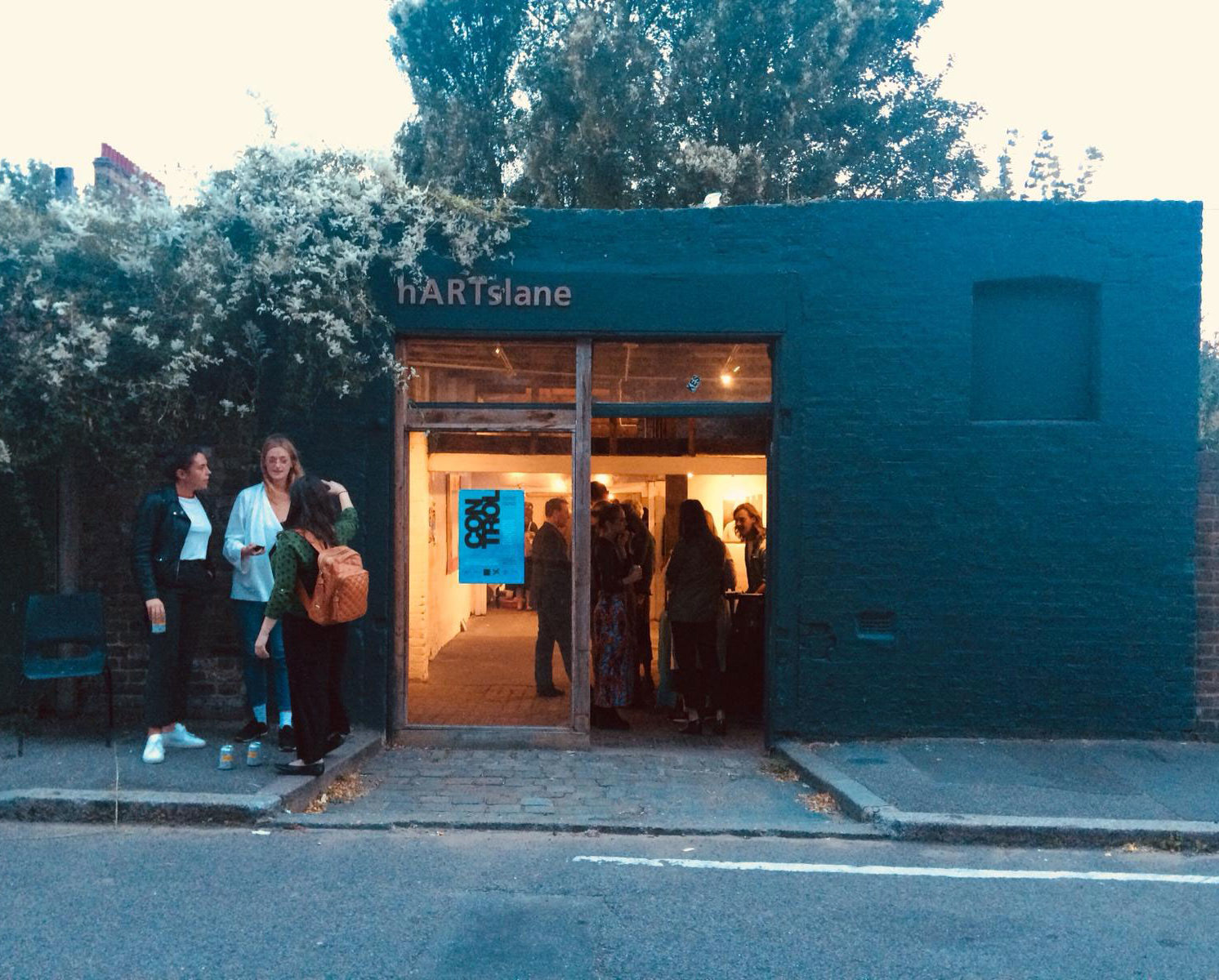
The artists involved in VideoWords will be showcased at Moving Harts – a programme of walk-through video projections outside hARTslane Gallery, curated by Nikos Akritidis, Rachel Lonsdale and hARTslane. Screenings are every Friday evening from 9pm, and will run from 7 th May – September 2021.

Interviewer: Rachel Lonsdale
www.rachellonsdale.co.uk
@rachel_lonsdale

Screenings

Continue reading

hARTslane is opening their doors again! Come and celebrate @ ‘Mood Swigs’ 13-15 May – a group show by Georgia Noble, Katie Shannon, Kavitha Balasingham, Maria Joranko

Mood Swigs

EXHIBITION

13-15 May | PV 13th 6-9pm 

From wet washing dripping to dirty soil tracks, clean carpets and blushing bubbles; Mood Swigs is an immersive installation of four artists creating an atmosphere, a feeling, a mood.

This exhibition highlights their works in development which move, stumble and dance around playful moments of identity slippage. Sculptures as figure, figure as machine, ghost partier in the bath. 

The artists draw from collective interests in low culture, high camp, eroticism, ecstasy, and hauntology. [Kavitha’s smacking lips, Georgia’s glittering glitch, Katie’s bottles clinking, Maria’s ass-a-shakin’.]  These works seek to haptically augment and adorn private histories and lovingly personified specters across blurred temporalities. 

Material subversions in latex, projection, flock, and liquid inhabit a space describing imaginal bodies in-flux with their environments and (end) times. 

  • Regulated entrance
  • Social distancing
  • Please bring your mask

Exhibitions

Continue reading

Outdoor screening programme to celebrate the end of lockdown!

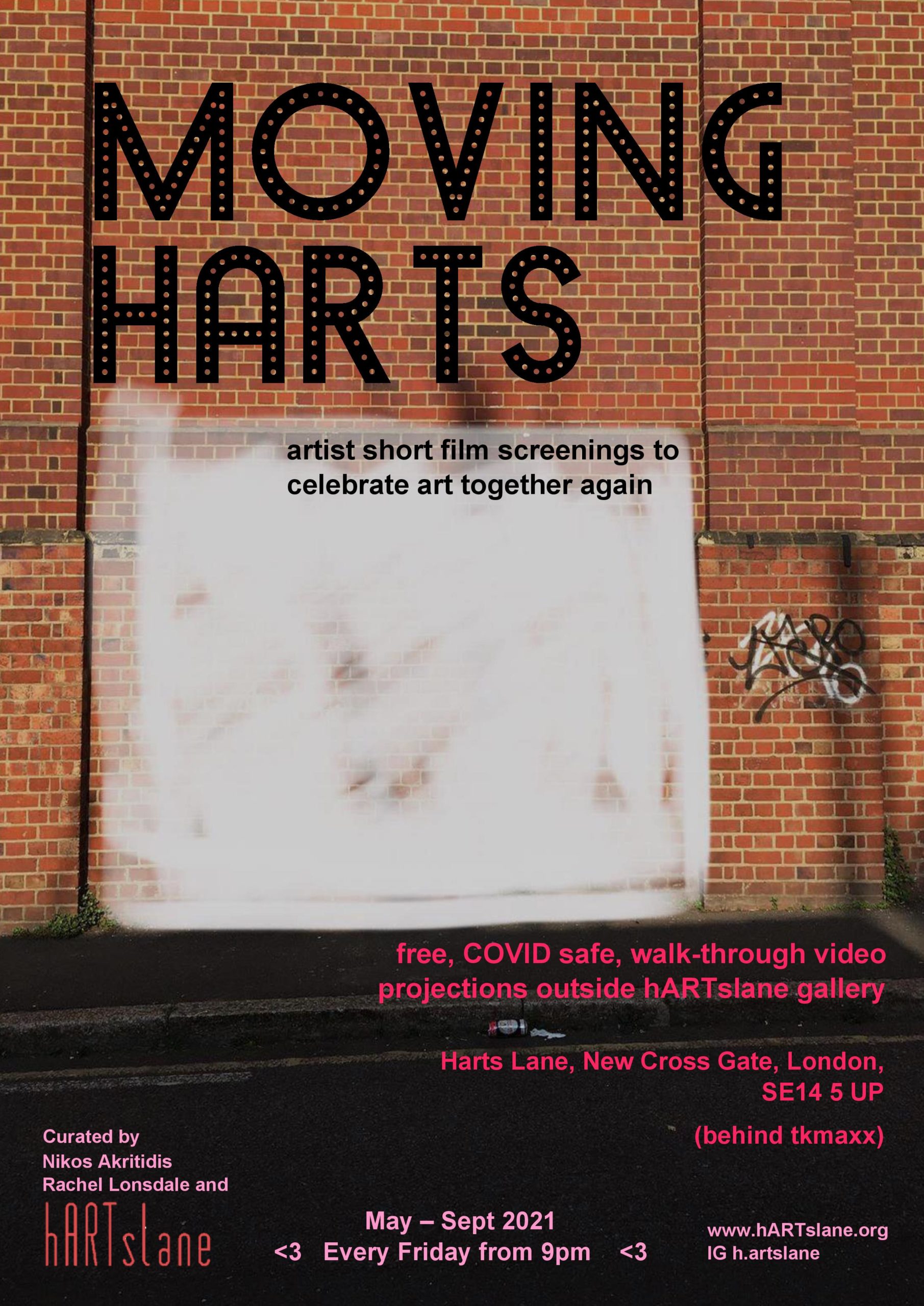
MOVING HARTS

Artist short film screenings to celebrate art together again.

After many months in lockdown, we can’t wait to introduce you to Moving Harts! 

A programme of Covid safe, walk-through art video projections to enjoy the arts and get together again. 

Every Friday evening Moving Harts will bring you a different collection of short films from artists from around the world. 

Screenings start at dusk, around 9pm, and last roughly 1 hour.

On from Friday 7th of May – September 2021.

An informal set up outside hARTslane gallery, projected onto the back of TKMaxx in New Cross Gate.

Curated by:
Nikos Akritidis
Rachel Lonsdale &
hARTslane

In collaboration with:
VideoWords  

Follow us on Instagram @ h.artslane for latest updates: some screenings will include an artist talk or other special features. 

Exhibitions, Screenings

Continue reading

ROOM 6.0 Currently Suspended

ROOM 6.0 Submission Programme

CURRENTLY SUSPENDED

Due to the current Covid-19 situation, our curated ROOM 6.0 ongoing exhibition programme is suspended until further notice.

hARTslane gallery remains available to hire for short-term studio and art events. 

Find out more about ROOM 6.0:

ROOM 6.1 / United We Stand (October 2016 – March 2017)
ROOM 6.2 / Phenomenal Woman, That’s Me (April – September 2017)
ROOM 6.3 / Dear London (November 2017 – April 2018)
ROOM 6.4 / Artists and Mental Health (September 2018  – Februaru 2019)
ROOM 6.5 / Unseen & Unspoken (June – November 2019)
ROOM 6.6 / Relay Residency (June – December 2020)


back

Exhibitions, Opportunities

Take part! Bunting of Hope at Eckington Gardens


Bunting of Hope

ECKINGTON GARDENS

Your voice matters!
Be part of the Bunting of Hope in Eckington Gardens.

What is your wish or words of wisdom for the Hatcham community?

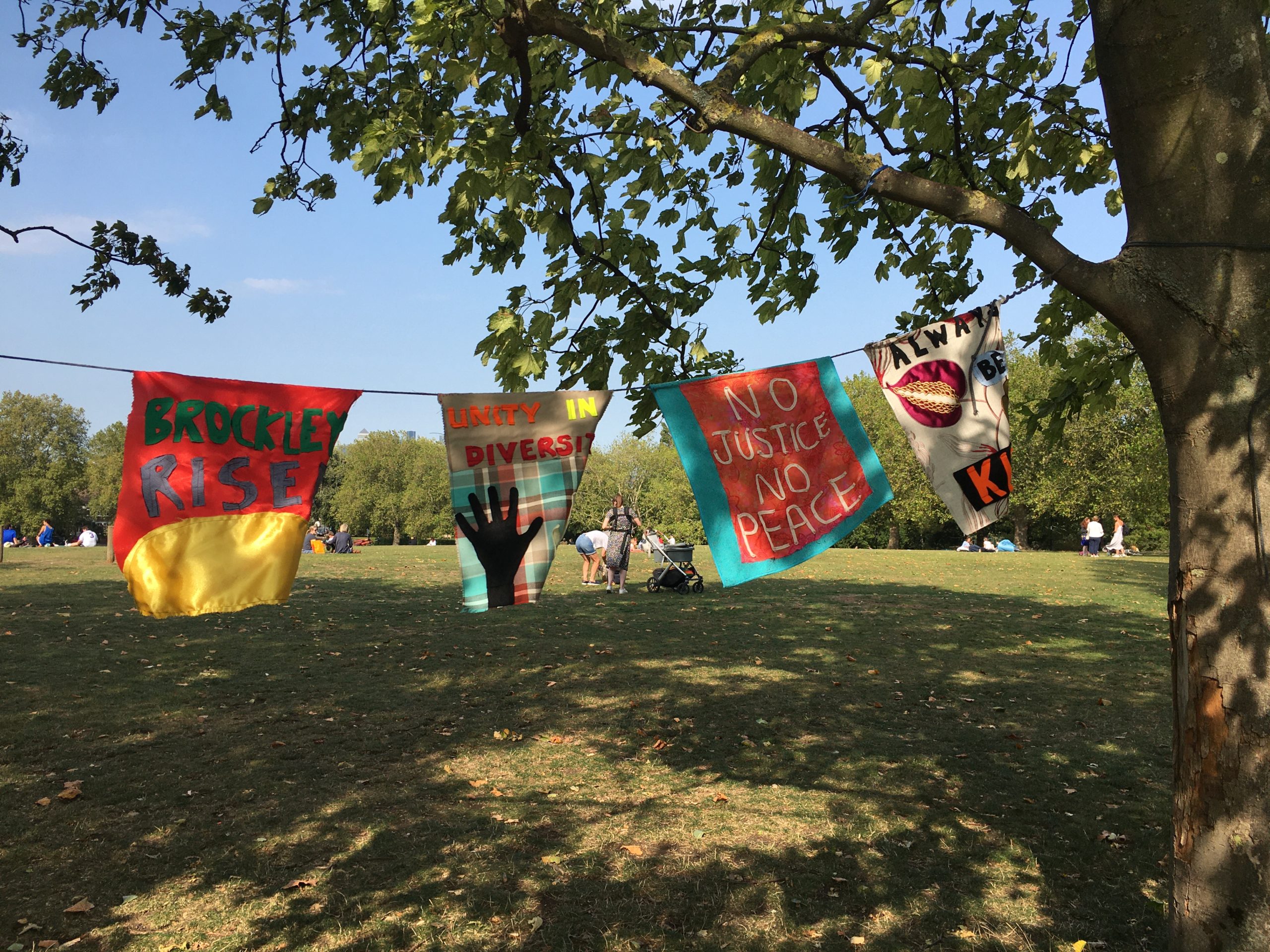
Create your very own Bunting of Hope flag with up-cycled fabrics and your messages of hope will be carried with the wind and spread into the world. Reuse any old fabrics or clothes you have at home, whilst being creative and have your art displayed for everyone to see and enjoy.

There are many ways to be part of it:

  • Make your own Bunting of Hope flag (approximately 30x40cm) at home and pin it to the bunting line using safety pins or thread & needle.
  • You have an idea but not the sewing material? We can provide you with that if you send us an email: info@hartslane.org
  • You’d like to take part but don’t know how to sew? Send us an email with your idea/quote and we’ll visualise it on the fabric for you.
  • Watch our video tutorial to discover how you can make a flag for the Bunting of Hope. 

MORE INFO:

  • DATES: The Bunting of Hope will be up from 6th – 31st of March 2021
  • LOCATION: Eckington Gardens, near Casella Road entrance, SE14 5QN
  • SOCIAL: Take a picture and tell us what you think on Instagram #buntingofhope #hartslane

WITH THANKS TO:

Friends of Eckington Gardens & The National Lottery Community Fund

More info about the Bunting of Hope project


back

Exhibitions, Opportunities

Subscribe

* indicates required

hARTslane will use the information you provide on this form to be in touch with you and to provide updates and news about our work. Please let us know all the ways you would like to hear from us:

You can change your mind at any time by clicking the unsubscribe link in the footer of any email you receive from us, or by contacting us at info@hartslane.org. We will treat your information with respect. For more information about our privacy practices please visit our website. By clicking below, you agree that we may process your information in accordance with these terms.

We use Mailchimp as our marketing platform. By clicking below to subscribe, you acknowledge that your information will be transferred to Mailchimp for processing. Learn more about Mailchimp's privacy practices here.